Understanding Polyvinylpyrrolidone (PVP) in Chemical Manufacturing
Do you need to understand the role of polyvinylpyrrolidone (PVP) in chemical manufacturing? If so, then this is the article for you! PVP is an interesting and important molecule with applications ranging from adhesives to photography. In its production, it goes through complex interactions with other chemicals to create a useful result and must be carefully monitored each step of the way. We’ll look at exactly what makes this chemical such a valuable resource in modern industrial processes and discuss why it requires special care when being worked with – something that every working professional should know when attempting any PVP-based projects. Keep reading if you want to learn more about this rapidly increasing multi-faceted industry staple!
1. Polyvinylpyrrolidone (PVP): A Versatile Polymer for Various Industries
Polyvinylpyrrolidone (PVP) is much more than just a complex name. This versatile polymer has been used across a wide range of industries, from pharmaceuticals to cosmetics, thanks to its exceptional properties. PVP is a water-soluble and biocompatible polymer that can help stabilize and enhance the performance of formulations, making it a common ingredient in many products. Its unique molecular structure allows it to absorb and hold onto impurities, making it invaluable in filtering and purification processes in the chemical industry. As a result, PVP has become a crucial component in many essential products, continuing to shape and transform various industries.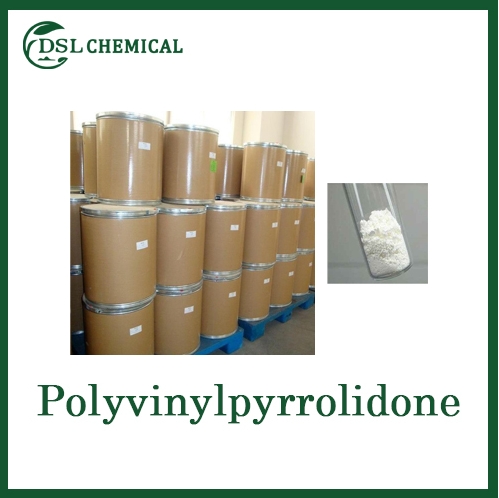
2. Chemical Structure and Properties of PVP: An In-Depth Overview
Polyvinylpyrrolidone, or PVP for short, is a versatile polymer with an array of chemical properties that make it useful in a broad range of applications. Understanding the chemical structure and properties of PVP is essential to unlocking its potential. At its most basic level, PVP is composed of repeating units of vinylpyrrolidone, which creates a unique, highly branched structure. This branching is responsible for PVP's ability to form strong bonds with other compounds and its excellent solubility in water. Additionally, PVP exhibits low toxicity and is compatible with many other materials, making it a popular choice in pharmaceuticals, cosmetics, and personal care products. In this in-depth overview, we will explore the chemical structure, properties, and applications of PVP, shedding light on why it has become an indispensable component of many products we use every day.
3. Advantages of using PVP in chemical manufacturing
When it comes to chemical manufacturing, choosing the right additives can make a significant difference in the final product. One such additive that has become increasingly popular is polyvinylpyrrolidone, commonly known as PVP. What makes PVP stand out is its versatility and range of applications. It can act as a binding agent, a thickener, and even a lubricant, making it an excellent choice for several industries, from cosmetics to pharmaceuticals. Moreover, PVP is easily soluble in water, making it a convenient component to work with, and it's also non-toxic and non-irritating. With these characteristics, it's no wonder that PVP continues to be a favorite additive, providing several benefits in improving the quality of chemical products.
All in all, polyvinylpyrrolidone (PVP) is a highly versatile and useful polymer that can find many applications in various industries. From improving the efficiency of chemical manufacturing processes to being used as a stabilizer for solutions, its performance and characteristics are certainly promising. It has also been demonstrated to be a safe and effective agent when used in various medicines, further increasing its usage. By reading this article, we hope you have gained an understanding of the chemical properties of PVP and how it can benefit industry leaders who wish to work with this advanced polymer material. As discussed within this blog post, PVP holds considerable potential for companies interested in improving their operations through more efficient chemical processes and enhanced stability. For those looking to revolutionize their product formulation techniques or boost their bottom-line profits, taking advantage of the unique advantages offered by polyvinylpyrrolidone is certainly worth considering!