Product Description
DMC; Dimethyl Carbonate CAS 616-38-6
DMC is a good methylation agent, carbonylation agent, hydroxymethylation agent and methoxy agent, has a very active chemical characteristics.
Dimethyl carbonate is an organic compound with the formula OC(OCH₃)₂. It is an important solvent for electrolyte of lithium-ion batteries. It is a colorless, flammable liquid, classified as a carbonate ester. The use of high-quality battery-grade solvent having extremely low water (<50 ppm) content is critical for achieving the high electrochemical performance for lithium-ion batteries.
•DMC/dimethyl carbonate has shown promise in Auto refinish and concrete coatings with its favorable solubility, odor, evaporation rate and economic profiles
•Industrial coatings for coating parts and architectural components at factories have shown similar appeal.
•Also used in traffic paints, steel drum linings, floor coatings and architectural coatings.
|
Product Name |
Dimethyl Carbonate; DMC |
|
|
CAS No. |
616-38-6 |
|
|
MF |
C3H6O3 |
|
|
Appearance |
Colorless Transparent Liquid |
|
|
Item |
High grade |
First grade |
|
DMC content, % ≥ |
99.95 |
99.90 |
|
Methanol, mg/kg ≤ |
100 |
200 |
|
Moisture, % ≤ |
0.01 |
0.1 |
|
Color (Pt-Co) No. |
5 |
10 |
|
Acidity, (as H+) mmol/100g ≤ |
0.01 |
0.02 |
|
Density (20oC), g/cm3 |
1.071±0.005 |
|

Product Purpose
【 Use 1 】
It is used in chemical synthesis as methylating agent and carbonylation agent, and is used in the preparation of pesticide herbicides
【 Use 2 】
Dimethyl carbonate is an intermediate of herbicide sulfenoline and a methylation reagent.
【 Use 3 】
Dimethyl carbonate can replace the traditional toxic raw materials such as phosgene, dimethyl sulfate and methyl chloride. It can be used to synthesize polycarbonate, diphenyl carbonate, isocyanate and allyl diglycol carbonate by non-phosgene method, and can be used to synthesize various carbamate pesticides, such as carbaryl, etc.Organic synthesis intermediates, such as anisole, benzene dimethyl ether, alkyl arylamines, symmetric diaminarbazone, hydrazine methyl formate, etc.;In the pharmaceutical industry, it can be used to produce aminoxazolidinone, ciprofloxacin, β-keto carboxylic acid esters and other pharmaceutical intermediates. In addition, it can also be used as an additive to gasoline and diesel, refrigerator oil and solvent.
【 Use 4 】
Organic synthesis, solvent. The electrolyte mainly used in industry for rechargeable lithium-ion batteries can only be used in a dry environment (such as a glove box with ambient moisture less than 20 ppm).
1, a new type of low-toxic solvent in the paint, adhesive industry can replace toluene, xylene, ethyl acetate, butyl acetate, acetone or butyl ketone and other solvents, is environmentally friendly green chemical products.
DMC has excellent solubility, its melting and boiling point range is narrow, the surface tension is large, the viscosity is low, the dielectric boundary electric constant is small, and has a high evaporation temperature and faster evaporation speed, so it can be used as a low toxic solvent for the coating industry and pharmaceutical industry. As can be seen from Table 1,DMC not only has low toxicity, but also has the characteristics of high flash point, low steam pressure and high lower explosive limit in the air, so it is a green solvent that integrates cleanliness and safety.
2, good methylation agent, carbonylation agent, hydroxymethylation agent and methoxylation agent, is a widely used chemical raw materials.
Due to similar reasons with phosgene,DMS (CH3O then content) is also facing the pressure of elimination, and when the methyl carbon of DMC is attacked by hydrogen nuclear, its alkyl-oxygen bond is broken, and the methylation product is also generated, and the reaction rate is higher and the process is simpler than that of DMS.The main applications include synthetic organic intermediates, pharmaceutical products, pesticide products, etc.
Phosgene (Cl-p) has high reactivity, but its highly toxic and highly corrosive by-products make it face great environmental pressure, so it will be gradually eliminated.And DMC(CH3O company content) has a similar nucleophilic reaction center, when the carbonyl group of DMC is attacked by the nucleophilic attack, the acyl-oxygen bond breaks, forming a carbonyl compound, the byproduct is methanol, so DMC can replace phosgene as a safe reaction reagent to synthesize carbonic acid derivatives, such as carbamate pesticides, polycarbonate, isohydroester, etc., where the polycarbonate will be DIt is predicted that more than 80% of DMC in 2005 will be used for the production of polycarbonate;
3, phosgene, dimethyl sulfate, methyl chloroformate and other serious drugs ideal substitute.
4, synthetic polycarbonate, diphenyl carbonate, isocyanate, etc.
5, medicine for the synthesis of anti-infection drugs, antipyretic analgesics, vitamins, central nervous system drugs.
6, pesticides are mainly used in the production of methyl isocyanate, and then the production of some carbamate drugs, pesticides (anisole).
7, gasoline additives, lithium battery electrolyte, etc.
DMC has a high oxygen content (up to 53% oxygen content in the molecule) and an excellent octane number raising effect ((R + M) / 2 =105), phase-free separation, low toxicity and rapid biodegradability and other properties, so that the amount of DMC used when gasoline reaches the same oxygen content is 4 times less than methyl tert-butyl ether (MTBE), thus reducing the total emissions of hydrocarbons, carbon monoxide and formaldehyde in automobile exhaust, in addition to overcoming the shortcomings of commonly used gasoline additives that are easily soluble in water and pollute underground water sourcesDMC will be one of the most potential gasoline additives to replace MTBE. At the 2002 meeting of the American Chemical Society, China's Tianjin University's pollution-free, low-cost production of gasoline additive DMC technology became one of the three most eye-catching inventions of this meeting, which shows that DMC as a gasoline additive advantages have been widely recognized.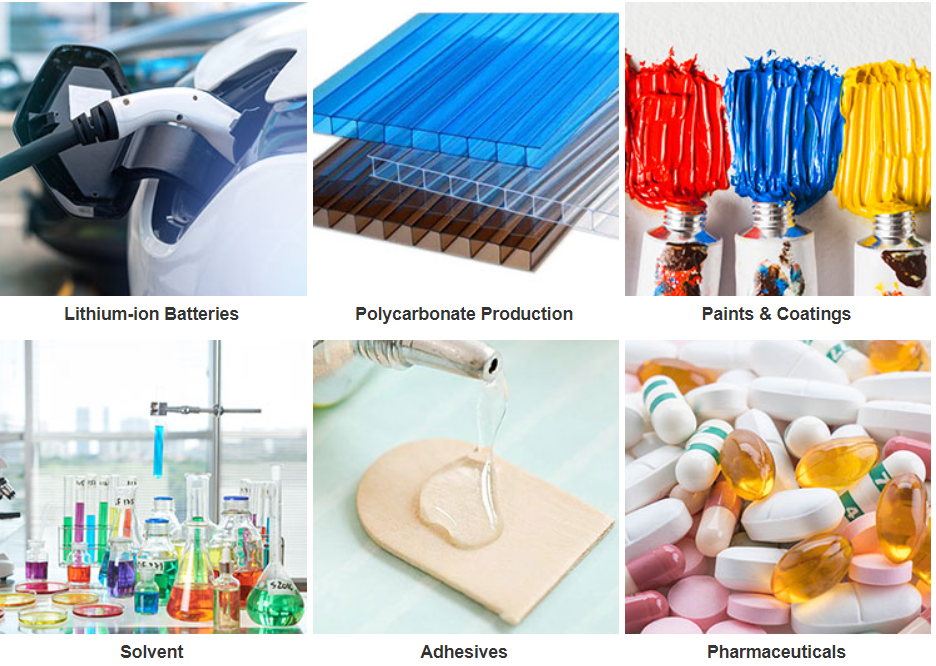
Packing Specification
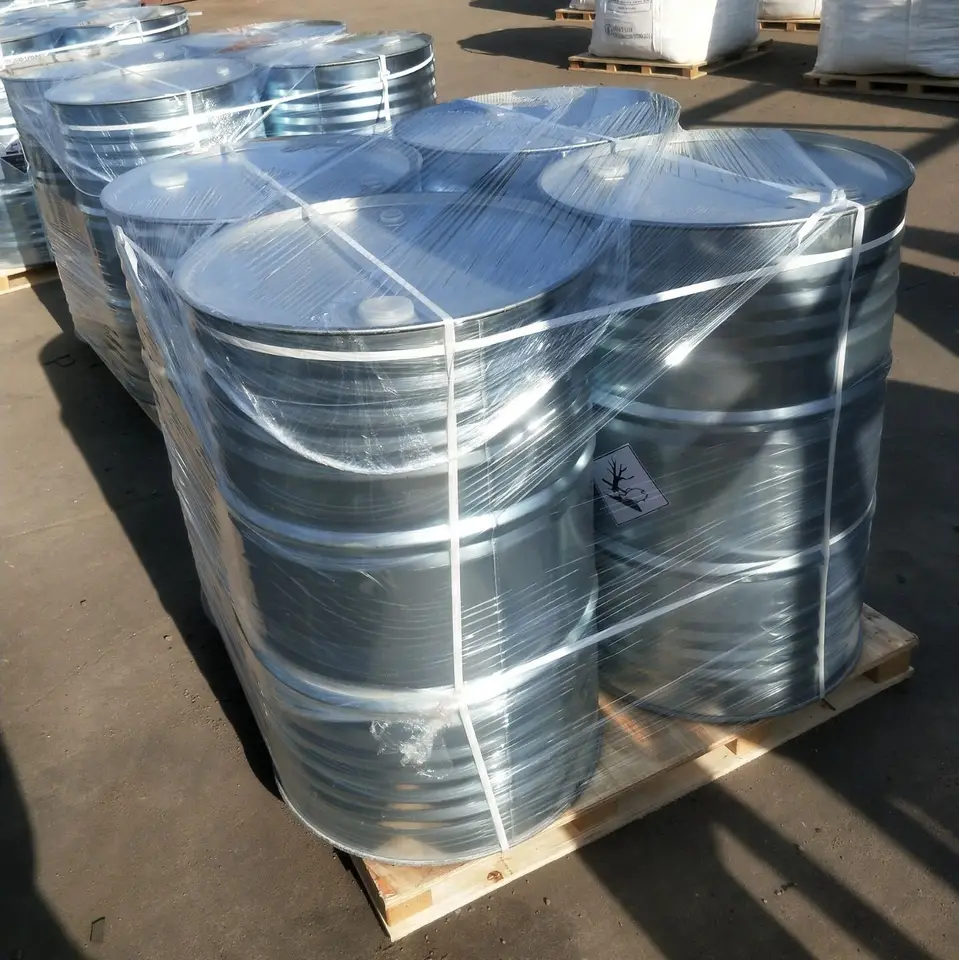
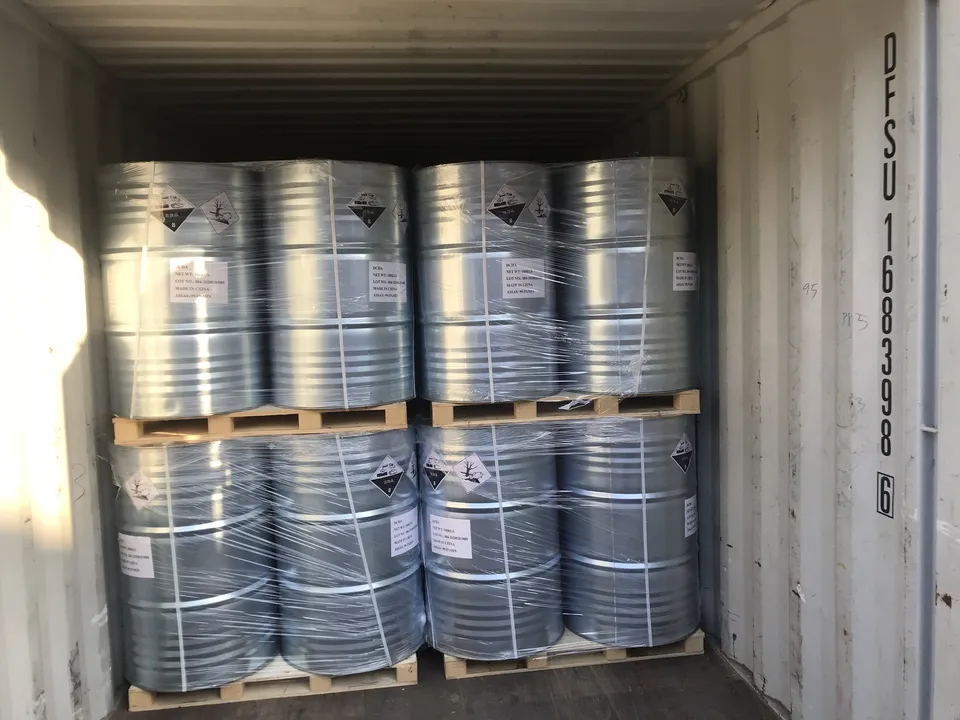
200KG*80 DRUMS
16TON/20'FCL;
25TON/ISOTANK.
Method Of Storage And Transportation
Storage Precautions Store in a cool, dry and well-ventilated non-combustible warehouse. Keep away from fire and heat. The storage temperature should not exceed 37℃. Keep the container sealed. It should be stored separately from oxidants, reducing agents, acids, etc., and should not be mixed. Explosion-proof lighting and ventilation facilities are adopted. Do not use mechanical equipment and tools that are prone to spark. The storage area should be equipped with leak emergency treatment equipment and suitable containment materials.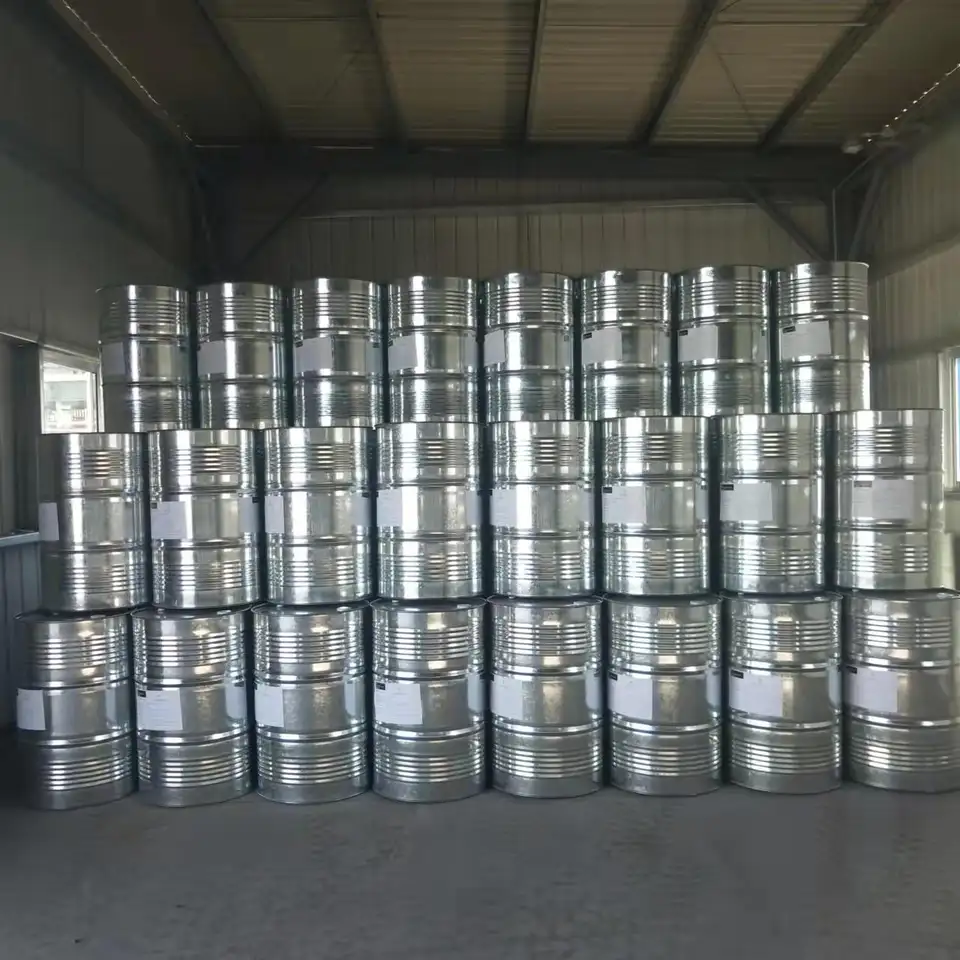
Protective Measures
Harmful if inhaled, taken orally or absorbed through the skin. This product is irritating to the skin. Its vapor or mist is irritating to the eyes, mucous membranes and upper respiratory tract. At the concentration of 29.7g/m3, the rats soon developed wheezing, ataxia, foamy mouth and nose, pulmonary edema, and died within two hours.
Environmental hazards:
It is harmful to the environment and can cause pollution to water.
Explosion hazard:
This product is flammable and irritating.
Part four: First aid measures
Skin contact:
Remove contaminated clothing and rinse skin thoroughly with soapy and clean water.
Eye contact:
Lift eyelids and rinse with running water or saline. Seek medical attention.
Inhalation:
Quickly remove from scene to fresh air. Keep your airway clear. Administer oxygen if breathing is difficult. If breathing stops, give artificial respiration immediately. Seek medical attention.
Intake:
Drink plenty of warm water to induce vomiting. Seek medical attention.
Part Five: fire control measures
Dangerous characteristics:
Flammable, flammable in case of open fire, high heat. In a fire, heated containers are in danger of exploding.
Harmful combustion products:
Carbon monoxide, carbon dioxide.
Fire extinguishing method:
Sand. Foam, dry powder, carbon dioxide.
Part VI: Emergency treatment of leakage
Emergency treatment:
Quickly evacuate the personnel from the contaminated area to the safety zone, isolate them, and strictly restrict access. Cut off the fire. It is recommended that emergency personnel wear self-contained positive pressure breathing apparatus and antistatic work clothes. Do not contact spills directly. Cut off the source of leakage as much as possible. Prevent flowing into sewers, flood drains and other restricted Spaces. Small amount of leakage: with sand, vermiculite or other inert material absorption. It is collected and transported to an open area for burial, evaporation, or incineration. Large leakage: build a embankment or dig a pit to contain it. Cover with foam to reduce steam hazards. Transfer to a tank truck or special collector with an explosion-proof pump for recycling or transport to a waste disposal site.
Part seven: Operation, disposal and storage
Operation precautions:
Closed operation to enhance ventilation. Operators must be specially trained and strictly abide by the operating procedures. It is recommended that operators wear a self-priming filter gas mask (half mask), chemical safety glasses, antistatic work clothes, and rubber oil-resistant gloves. Keep away from fire and heat. No smoking in the workplace. Use explosion-proof ventilation systems and equipment. Prevents steam from leaking into the workplace air. Avoid contact with oxidants, reducing agents and acids. When handling, light loading and unloading should be done to prevent damage to packaging and containers. Equipped with the corresponding variety and quantity of fire equipment and leakage emergency treatment equipment. Empty containers may have harmful residues.
Storage precautions:
Store in a cool, dry and well-ventilated non-combustible warehouse. Keep away from fire and heat. The storage temperature should not exceed 10 ℃. Keep the container sealed. It should be stored separately from oxidants, reducing agents, acids, etc., and should not be mixed. Explosion-proof lighting and ventilation facilities are adopted. Do not use mechanical equipment and tools that are prone to spark. The storage area should be equipped with leak emergency treatment equipment and suitable containment materials.
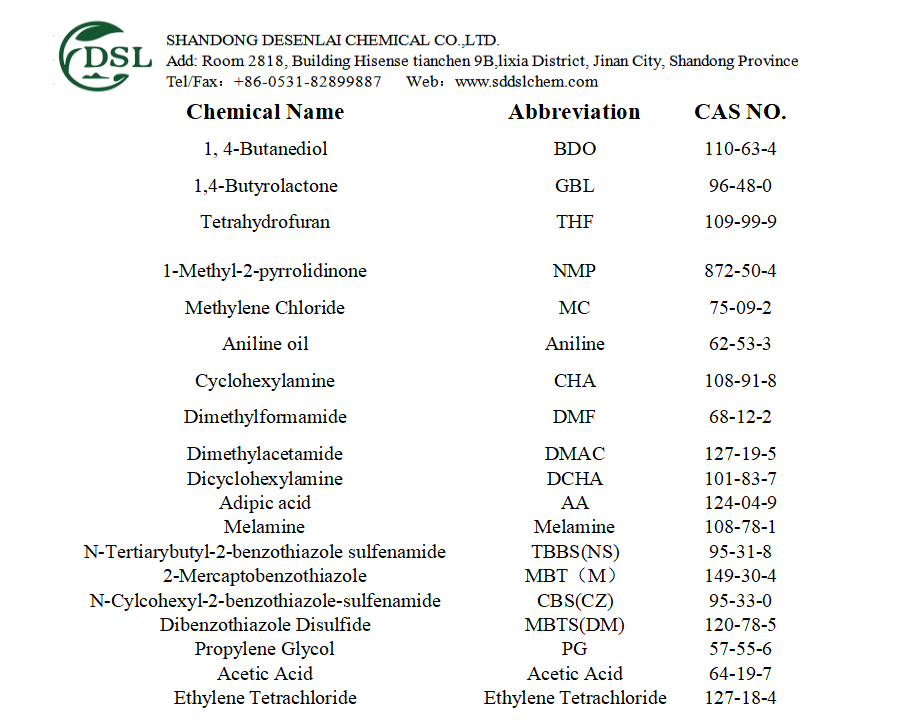
Our chemicals