


Phenol (phenol or phenyl hydroxide, commonly known as carbolic acid) is defined as: The molecular formula is C6H6O, which is mainly prepared by the oxidation and decomposition of isopropyl benzene. It is an important organic chemical raw material, which can be used for the production of phenolic resin, bisphenol A and other chemical products and intermediates, and also used as solvents and disinfectants.
Phenol is an organic compound with the chemical formula C6H5OH. It is a colorless needle-like crystal with a distinctive odor and is toxic. It is an important raw material in the production of certain resins, fungicides, preservatives, and medicines (such as aspirin). It can also be used for disinfection of surgical instruments and excrement treatment, skin sterilization, itching and otitis media. Melting point 43℃, slightly soluble in water at room temperature, easily soluble in organic solvents; When the temperature is higher than 65 ° C, it can be miscible with water in any proportion. Phenol is corrosive and denatures local proteins upon contact. Its solution can be washed with alcohol when it touches the skin. Small amounts of phenol exposed to air are oxidized to quinone by oxygen and appear pink. This method is usually used to test phenol when ferric ions turn purple.
On October 27, 2017, the preliminary list of carcinogens published by the International Agency for Research on Cancer of the World Health Organization was collated for reference, and phenol was in the list of 3 types of carcinogens.
Chinese name; phenol
Foreign language name; Phenol, phenyl hydroxide
Another name; Carbolic acid, phenol, hydroxybenzene
Chemical formula; C6H5OH
Molecular weight; 94.111
CAS login number; 108-95-2
EINECS login number; 203-632-7
Melting point; 43 ℃
Boiling point; 181.9 ℃
Density; 1.071 g/cm³
External view; Colorless or white crystalline powder
Flash point; 72.5 ℃
Should be used; Chemical synthesis, oilfield industry, electroplating, solvent, medicine
Security description; S24/25; S26; S28; S36/37/39; S45
Danger symbol; F (flammable),T (toxic),C (corrosive)
Risk description; R23/24/25; R34; R48/20/21/22; R68
UN Dangerous Goods number; 2821
Solubility; Slightly soluble in cold water, miscible soluble in ethanol, ether, chloroform, glycerol
Chemical properties; Weakly acidic, highly toxic, mutagen, reductive
Stability; stabilize
Forbidden compound; Strong oxidizing agent, strong acid, strong base
Storage method; Cool and ventilated, low temperature, avoid light, pay attention to leakage
PSA; 20.23000
LogP; 1.39220
Refractive index; 1.5425
Customs code; 2907111000
Academic subject; Chemical raw materials and products
Product Purpose
Widely used in the manufacture of phenolic resin, epoxy resin, nylon fiber, plasticizer, developer, preservative, insecticide, fungicide, dye, medicine, spices and explosives.
industry
Phenol is an important organic chemical raw material, which can be used to produce phenolic resin, caprolactam, bisphenol A, salicylic acid, picric acid, pentachlorophenol, 2,4-D, adipic acid, phenolphthalein n-acetylethoxyaniline and other chemical products and intermediates. It has important uses in chemical raw materials, alkyl phenols, synthetic fibers, plastics, synthetic rubber, medicine, pesticides, spices, dyes, coatings and oil refining industries. In addition, phenol can also be used as a solvent, experimental reagent and disinfectant, and the aqueous solution of phenol can separate the protein from DNA on the chromosome in plant cells, which is convenient for DNA staining.
Medical treatment
1. Equipment disinfection and excrement treatment of 1% ~ 5% aqueous solution.
2, skin sterilization and anti-itch: 2% ointment applied to the affected area.
3, otitis media with 1% ~ 2% phenol glycerol ear drops, 3 times a day. Preparations and specifications Phenol ointment: 2%. Phenol glycerol: ①1%; ②2%. Administration indicates that this product has strong tissue penetration and is only used on a small area of skin. High concentration of external use can cause tissue damage and even necrosis. Aqueous solution is used on the body surface, the concentration should not exceed 2%, and it is not packaged after external use. Adverse reactions This product is corrosive and irritating to tissues. It has been reported that the use of phenol to clean cradles and mattresses in poorly ventilated places has caused neonatal hyperbilirubinemia, which has proved fatal to infants. Contraindications for children with diaper dermatitis and infants under 6 months old. Avoid application on broken skin and wounds.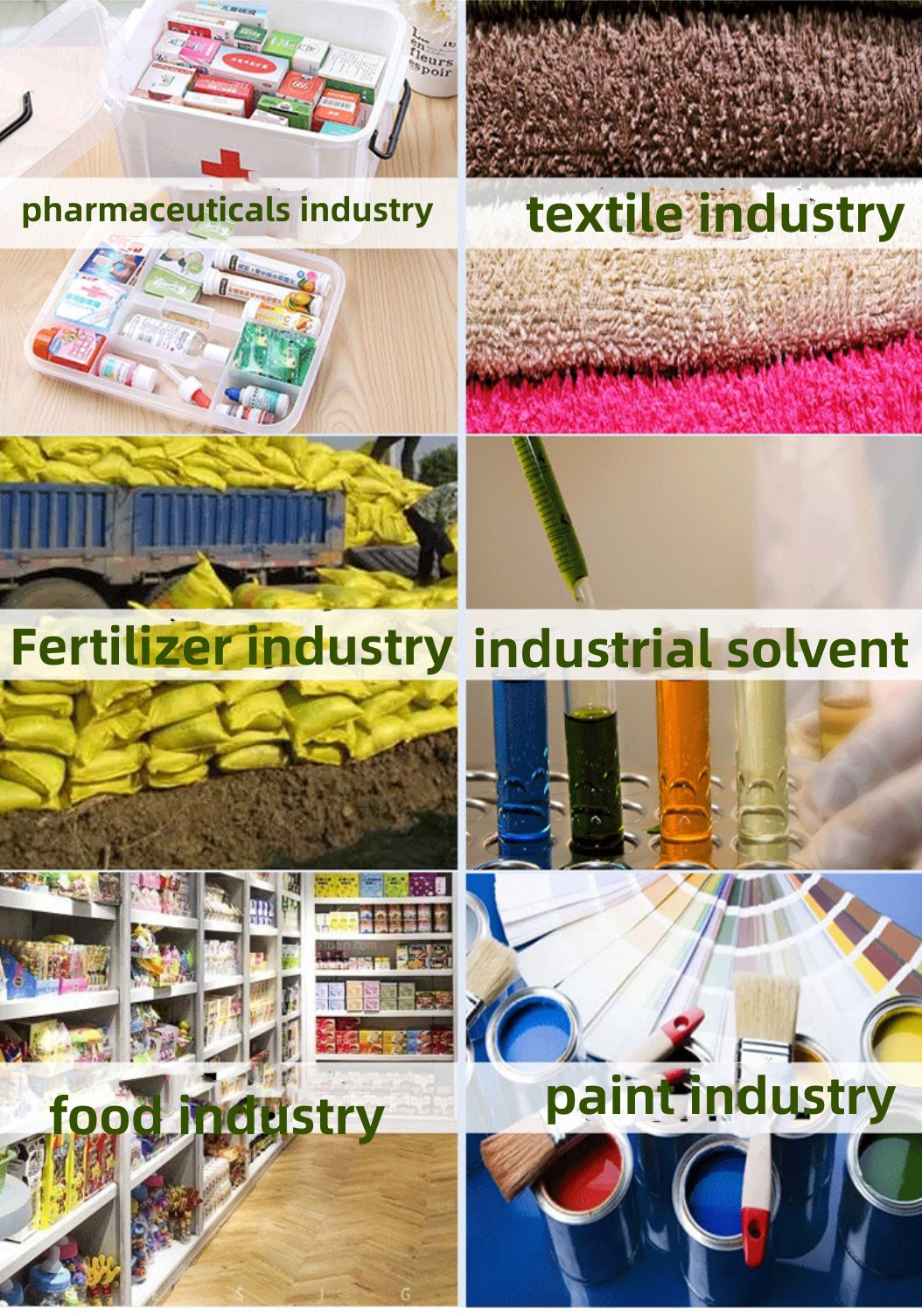
Packing Specification
200kg*80drum
16ton/FCL
Method Of Storage And Transportation
Operation precautions: closed operation, provide sufficient local exhaust air. Quarantine operations where possible. Operators must be specially trained and strictly abide by the operating procedures. It is recommended that operators wear self-priming filter dust masks, chemical safety glasses, gas penetrating protective clothing, and chemical-resistant gloves. Keep away from fire and heat. No smoking in the workplace. Use explosion-proof ventilation systems and equipment. Avoid producing dust. Avoid contact with oxidants, acids and alkalis. When handling, light loading and unloading should be done to prevent damage to packaging and containers. Equipped with the corresponding variety and quantity of fire equipment and leakage emergency treatment equipment. Empty containers may have harmful residues. Storage precautions: Store in a cool, ventilated warehouse. Keep away from fire and heat. Avoid light. The temperature of the reservoir shall not exceed 30℃, and the relative humidity shall not exceed 70%. The package is sealed. It should be stored separately from oxidizers, acids, alkalis and edible chemicals, and should not be mixed. Equipped with the corresponding variety and quantity of fire equipment. Storage areas should be equipped with suitable materials to contain leaks. The "five-double" management system for extremely toxic substances should be strictly implemented.
Our chemicals

Company Introduction
Shandong DESENLAI Chemical Co., Ltd. was established in July 2011, headquartered in Tianqiao District, Jinan City, Shandong Province.
With more than ten years of fine chemical business foundation, DSL Chemical is committed to building the most valuable chemical trading company in the whole industrial chain in China. With advanced marketing concept combined with modern management mode, the company provides customers with quality products and services and comprehensive "all-around" solutions.
The company adheres to the goal of green and sustainable development, and has long been committed to the operation of various fine chemical products, involving lithium new energy, biodegradable materials and other green energy fields. Such as NMP, butyrate, BDO, adipic acid, glycol and so on.


