


The container rate index fell 45.54 points
Recently, according to the Shanghai Shipping Exchange announced that the Shanghai Export container freight Index (SCFI), after falling below 1,000 points last week, fell again last week, to 934.31 points, down 45.54 points, down 4.64%. All four ocean routes fell, with rates from the Far East to the West and East of the United States falling more than 13 percent.
Although the pressure on the retail industry in Europe and the United States gradually declined in the second quarter, and the shortage of transportation labor gradually resolved, the economy has a chance to pick up in the third quarter.
But Maersk has slashed prices, offering ultra-low freight rates from all Asia to West Coast ports in America (see article: Freight forwarding is harder! Maersk took the lead in the freight war: $350 per FEU on the Western line!) , bringing uncertainty to freight rates during the peak season in July.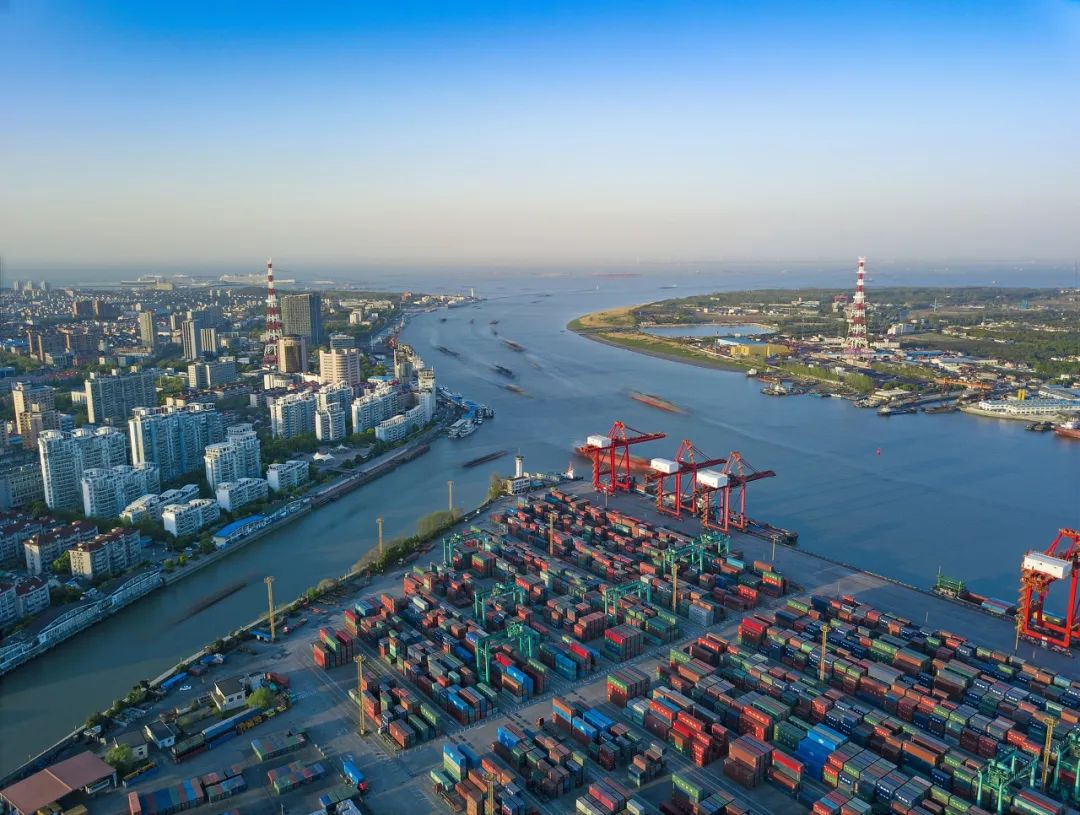
The new freight rate index:
Far East to Europe rates were $859 per TEU(20-foot container), down $23 or 2.76% from last week;
Far East to Mediterranean stood at $1,601 per TEU(20-foot container), down $25 or 1.53% from last week;
Far East to West America was $1,207 per FEU(40 FTU), down $181 or 13.04% from last week;
Far East to US East was $2,103 per FEU(40-foot container), down $332 or 13.6% from last week.
Inshore line, Far East to Japan Kanto, Kansai, South Korea and Southeast Asia are flat.
The head of a large freight forwarding company said Maersk Line sent a letter to customers on the afternoon of Friday, announcing that it would offer ultra-low freight rates for all Asian shipments to the West Coast ports of the United States until the end of this month. The freight rate per large container (40 feet container) will be reduced from 1,200 dollars to 850 dollars.
It was reported that Maersk had informed the Shanghai, Qingdao, Shenzhen Yantian king Meixiduo port freight rate down to 850 US dollars, the freight war really started.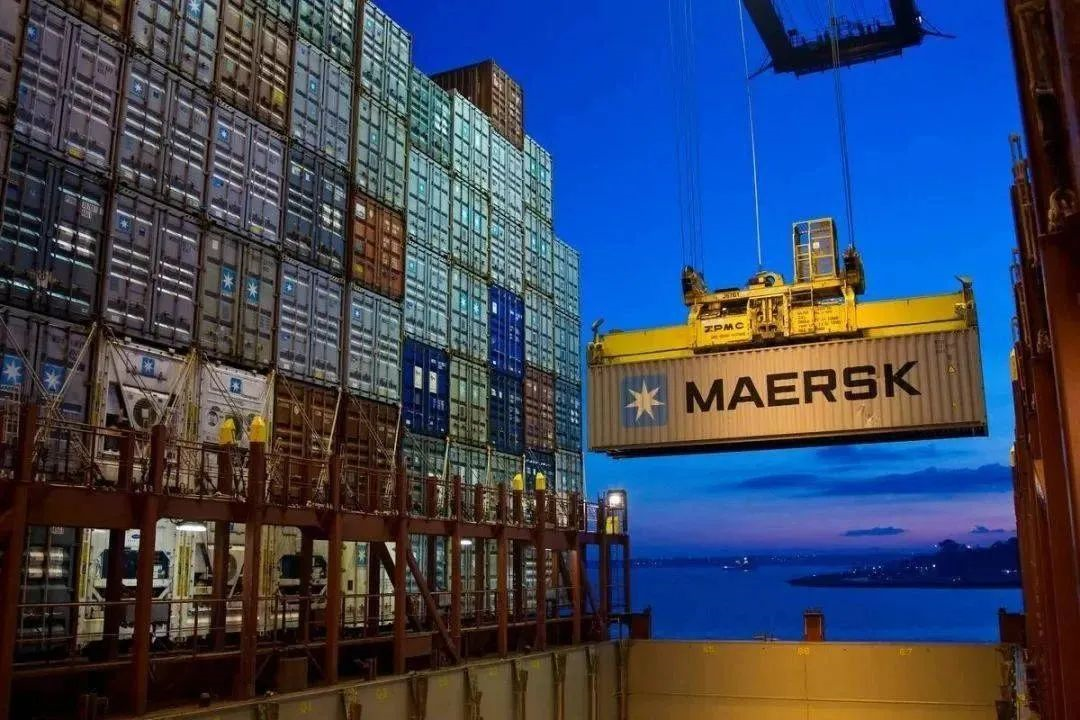
Maersk said in a notice to customers: We understand the importance of cost-saving strategies in the volatility of 2023, we strive to meet your needs, and we are happy to provide cost-effective logistics solutions for your goods from Asia to the Americas.
Another large freight forwarding company pointed out that Maz had launched a limited shipping rate of US $850 per large container in the West of the United States, and the company had grabbed a few space. It remains to be seen whether this is a comprehensive price cut.
Maersk issued the notice:
Shanghai, Qingdao, Shenzhen Yantian export to southwest United States (PSW) Los Angeles, Long Beach and Oakland Port: $850 per LCL (all-in price);
China Shanghai, Qingdao, Shenzhen Yantian export to the northwest of the United States (PSN) Vancouver, Prince Rupert and Seattle freight of 850 USD per LCL (all-inclusive price);
China Shanghai, Qingdao, Shenzhen Yantian export IPI inland port Chicago, Detroit and Fort Worth port, the freight per large case from 3000 USD (all-inclusive, about 500 USD).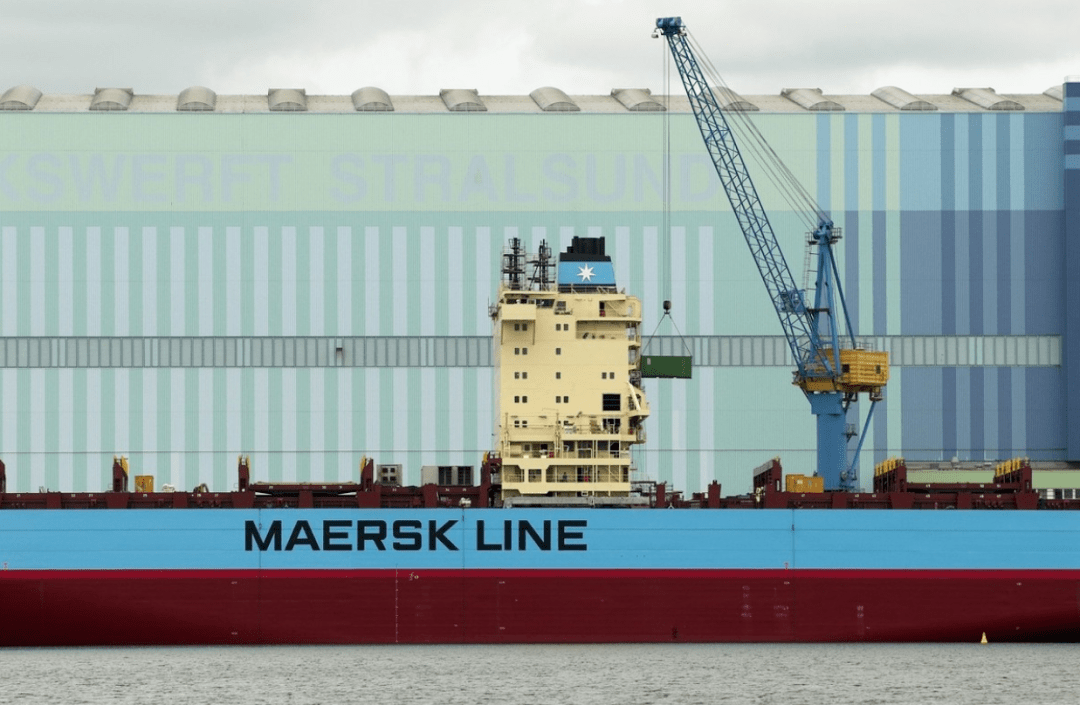
The industry pointed out that Maersk because the space load rate is only more than 70%, the launch of the deadline to reduce the price, it is estimated to wait until July to see the situation of the cargo to decide the rise and fall.
In the past, Maersk, which has the largest capacity in the world, has led many tariff wars, the worst of which has driven the price of a 20-foot container (20-foot container) on European routes from about $800 to less than $300.
Thought this year to replace the world's first Mediterranean shipping lead price reduction, did not expect Maersk or the first shot.
After Maersk had harvested so much cargo, it was hard for other shippers not to follow.
The volume of global container shipping trade has grown negatively
International container rates fell nearly 80 per cent last year.
Recently, prices have gradually returned to pre-epidemic levels, but there are still overall fluctuations.
In terms of recent container transport demand, the volume of global container maritime trade still maintains negative growth. The Clarkson Container Trade Monthly Index stood at 114.2 points for the year ended April 2023, down 3.7% year on year.
However, from March to April, China's export demand performed well. According to the statistics of the General Administration of Customs, China's export trade volume denominated in US dollars rose 14.8% and 8.5% year on year respectively in March and April this year. The level of empty containers at ports has fallen from the peak, and the demand for containers is gradually recovering.
By route, the impact of inflation in Europe and the United States is still in place, and inventory remains high. The transportation demand of main routes is still relatively low, and the cargo volume is relatively limited. And the Persian Gulf, South America and other north-south routes transport demand picked up, the volume of goods increased significantly.
According to Li Qianwen, deputy director of the Shipping Development Research Institute of the Shanghai International Shipping Research Center, the volume of cargo is expected to gradually recover as destocking comes to an end around the world.
However, whether the traditional peak season of the international container shipping market in the third quarter of this year can come as expected remains to be realized, such as the weakening impact of inflation in the United States and Europe, the improvement of market consumption, the smooth destocking process of goods, and the easing of geopolitical tensions.
In the context of overall weak global demand, China's export container transport demand is still facing severe challenges.
