


Freight rate fell four consecutive, the United States line difficult to hold the overall situation!
With weak demand and limited new orders, shipping companies failed to raise prices in mid-May, making it difficult to support freight rates effectively. This week, freight rates fell by about $50 per FTU. Rates on European and Mediterranean routes are relatively stable, and shipping companies are expected to continue to stabilize rates by reducing the number of sailings.
According to the latest SCFI index, American line market:
In response to the current situation, a number of forwarders noted that container shipping has returned to the buyer's market, U.S. retailers and importers are still destocking, new orders are limited, resulting in spot market rates continue to consolidate and bottoming.
With the arrival of the traditional peak season, the back-to-school tide, year-end holiday demand and replenishment are expected to occur from July and August to October. The amount of cargo will be a key factor to determine whether the freight rate will stabilize or even increase.
However, it is worth noting that the New York Fed manufacturing index fell to -31.8 in May, and the orders index also recorded its biggest decline since April 2020, according to the New York Fed data.
In addition, the spreading banking crisis in the US financial markets and the debt ceiling negotiations also put a negative impact on the future US economic recovery.
Market analysts point out that the current market is becoming more competitive, and the price war among shipping companies is inevitable, but it also means more opportunities and market vitality.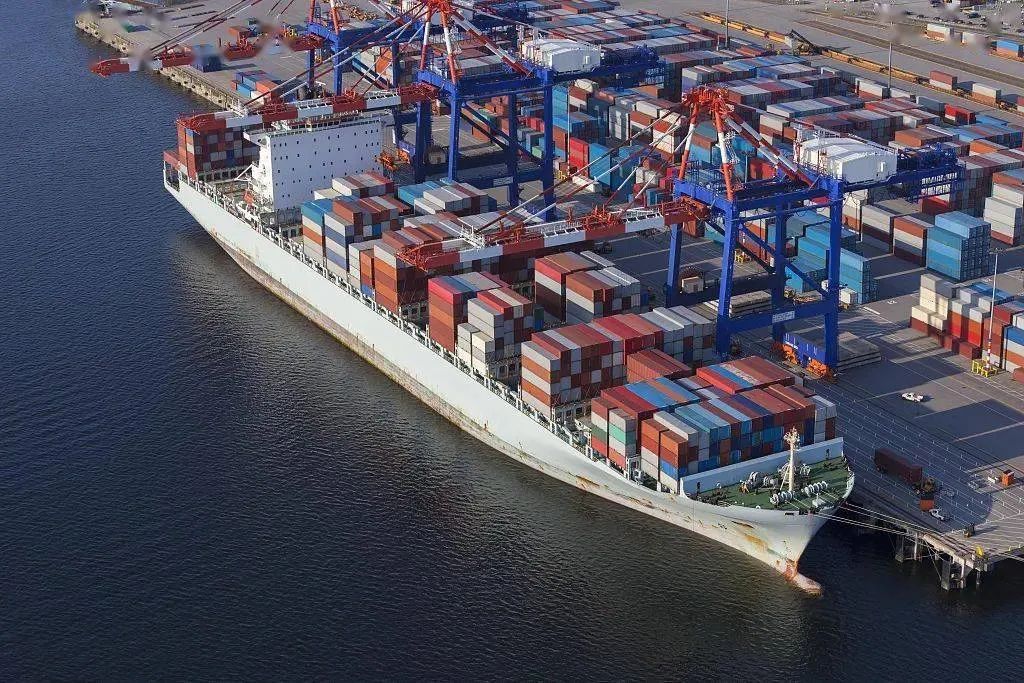
Meanwhile, spot freight rates in Asia-Europe markets remained stable this week, despite a 17 per cent year-on-year decline in container throughput at Hamburg's port in the first quarter, providing fresh evidence of weak trade.
Germany's ZEW economic sentiment index fell below expectations to -10.7 in May, according to the Center for European Economic Research, raising fears that Europe's largest economy is headed for recession.
In addition, inflation in the euro zone remains high, the European Central Bank continues to raise interest rates, European countries will face tight financial conditions and high energy prices, and the future economic recovery will be complicated.
For European routes, the latest SCFI index shows relative stability:
According to statistics, as of April 24, about 4.4% of the world's container fleet (1.17 million TEU) was idle, down from the recent peak of 6.4% (1.68 million TEU), mainly for the return of 7500TEU-12500TEUS or above. Whether it will aggravate the oversupply of shipping capacity and drag down freight rates is also the focus of observation.
It is learnt that many large ships have returned to the European route. The market impact of the launch of nine very large vessels, including 2M's, to the Asia-Nordic and Asia-Mediterranean service networks next month has yet to be assessed.
However, the use of ultra-slow speeds for ships deployed on the 2M operated loop is designed to absorb the incremental rollout of new ships mainly owned by MSC, thereby maintaining the status quo of weekly capacity.
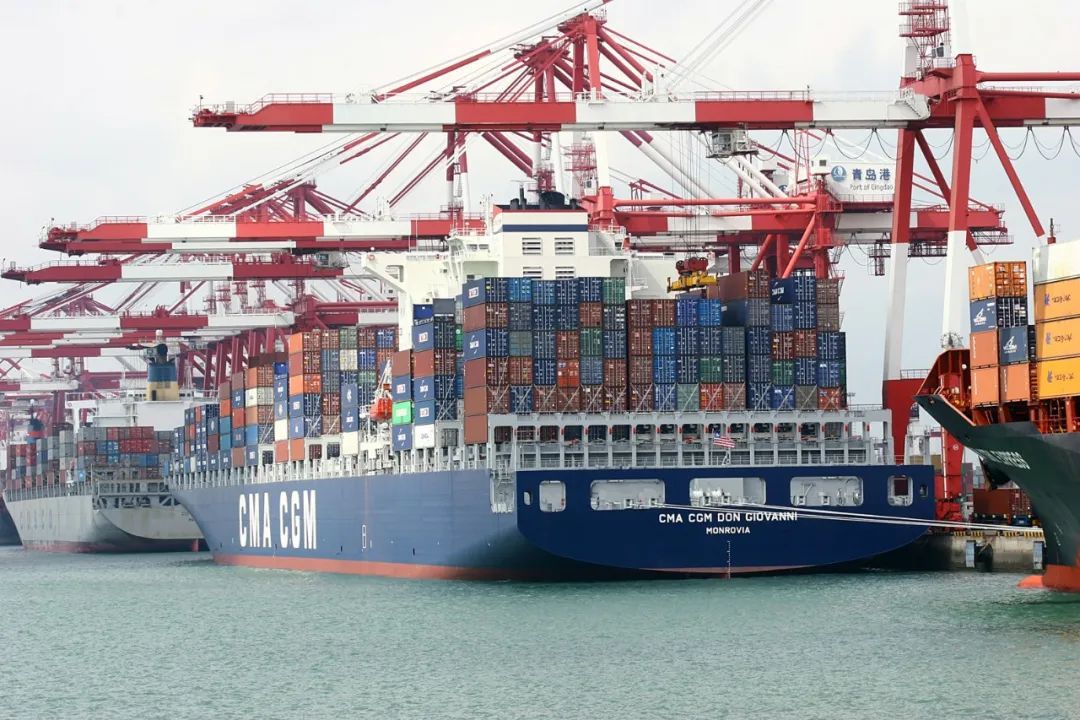
Australia New Zealand route, the local market demand for all kinds of materials continues to stabilize and rebound, the supply and demand relationship is better, this week market freight continued to rebound trend.
On May 19, the freight rate (sea freight and sea surcharge) for exports from Shanghai Port to Australia and New Zealand Basic Port market was US $279 /TEU, a significant increase of 24.0% compared to the previous period.
The Drury Composite Index (WCI) fell 1 percent this week, but is down 77 percent from a year ago. The European line was down 4 percent, and the eastern, Western and Mediterranean were basically unchanged from last week.
Xeneta's XSI index shows a slight decline to $454 /FEU on the Asian-US West route, while the Baltic (FBX) index shows a slight decline to $2,325 /FEU on the Asian-US East route.
With spot rates on trans-Pacific routes remaining under pressure due to weak demand fundamentals, the prospect of sea carriers introducing the expected mid-June consolidated rate increase surcharge GRI is dimming.
Seroka, executive director of the Port of Los Angeles, said warehouses across the country were still under destocking pressure, and that the global economic slowdown and protracted labor negotiations between the United States and Spain were contributing to the trade slowdown.
Recently, Habben Jansen, CEO of Habben, pointed out in the company's earnings release that freight rates have fallen below cost and recent market developments seem to see container shipping entering the abyss of a price war.
Alphaliner's latest biweekly market report shows that in the two weeks leading up to the report, the global idle capacity of container ships fell sharply, with about 160,000 TEus of idle capacity returning to the market, raising fears of an imminent price war.
Alphaliner's biweekly statistics show that the total idle capacity now stands at 1.17 million boxes, and that the ratio of the total idle capacity to the total capacity of the existing fleet fell to 4.4% in the latest report from 5.3% in the previous report.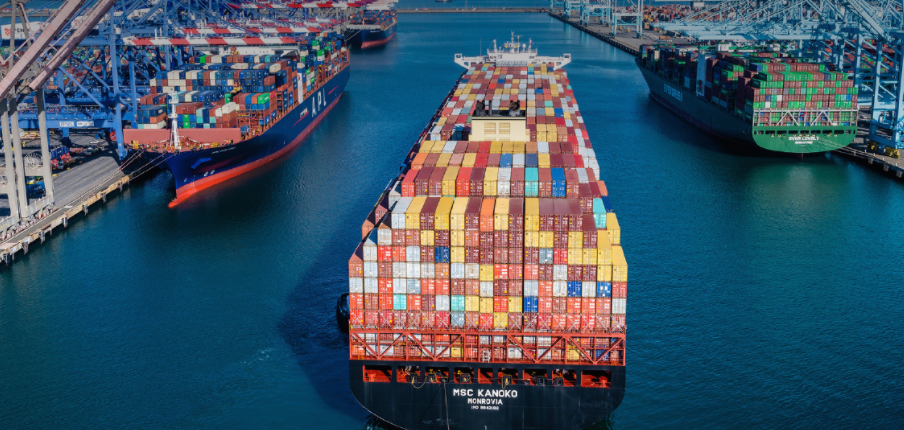
The industry believes that near futures volume is a rebound, at present to see the number of recovery and idle capacity to return to the market proportion is equivalent.
In April, the US imported 2.0202 million TEUs, up 9% month-on-month and 5% compared to April 2019, with a 27% increase in imported cases from China. However, whether the increase in April was due to the early fulfillment of orders after China's COVID-19 clearance.
Alan Murphy, chief executive and analyst at shipping consultancy Sea-Intelligence, sees three ways the container shipping market can avoid a price war: a surge in demand, massive dismantling and idling of capacity, and container lines refusing to accept loss-making cargoes.
Despite what appears to be poor capacity controls, freight rates are still at pre-pandemic levels. According to this scenario, falling freight rates are seen as a sign of market rebalancing rather than a price war.
