

According to the latest data released by the Shanghai Shipping Exchange on June 30, the Shanghai export container composite freight index stood at 953.60 points, up 3.2 percent from the previous period.
Among them, the US line strong bomb trend, promote spot market freight rates rose sharply.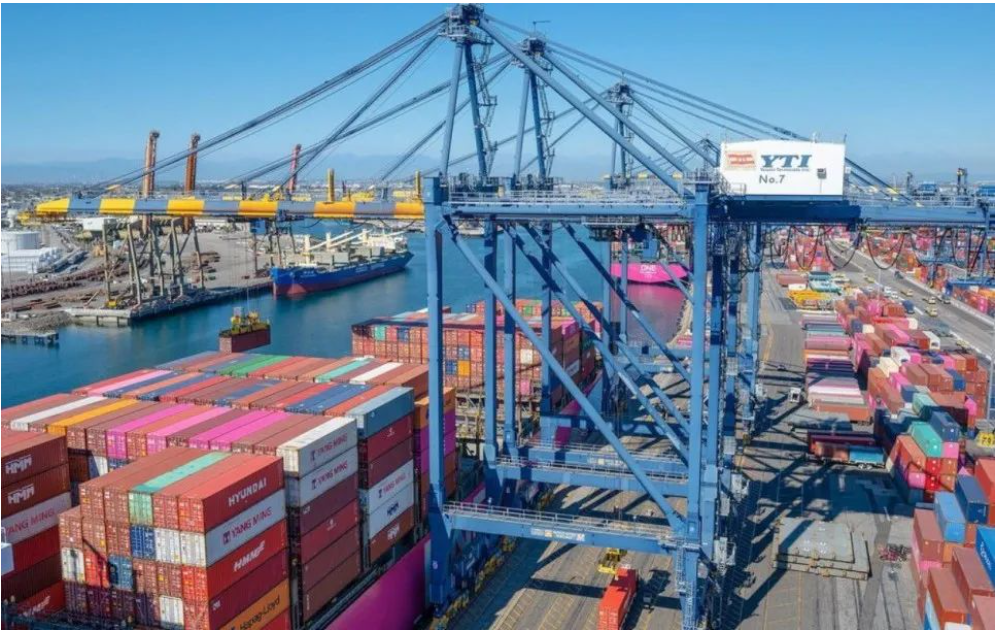
North American routes:
The West Base port market rate (ocean and ocean surcharge) was $1,408 /FEU, up 20%
Us East Base Port market rates (ocean and ocean surcharges) were US $2,368 /FEU, up 14.9%
In addition, the demand for transportation on South American routes also continued to perform well, with the freight rate (sea and sea surcharge) exported from Shanghai port to the basic port market in South America at US $2,532 /TEU, up 4.7% from the previous period.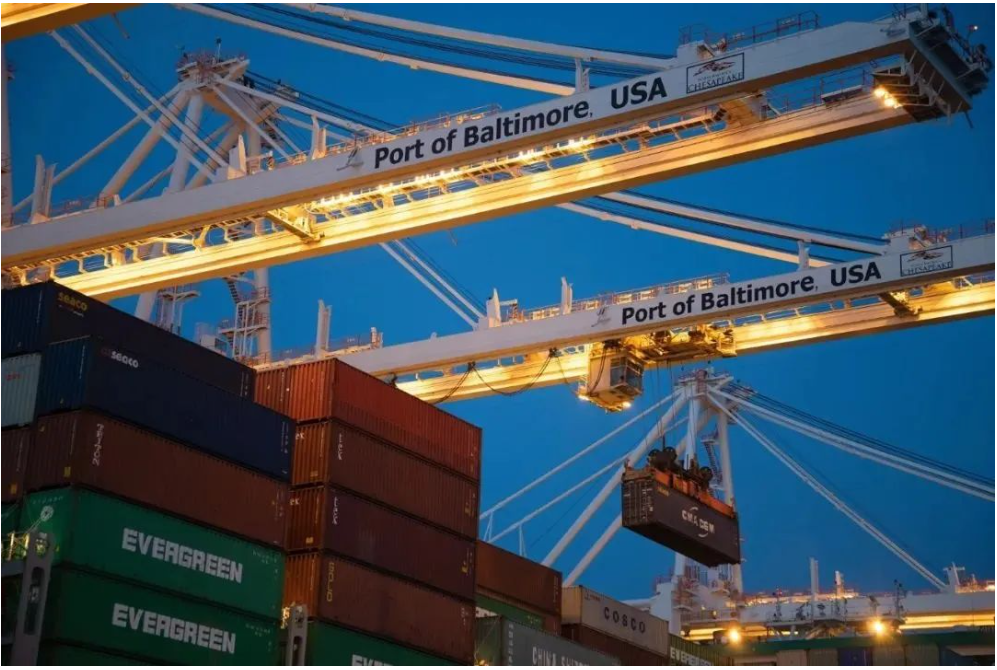
But there are also airlines continue to decline.
For European routes, the freight rate (sea freight and sea freight surcharge) exported from Shanghai port to European basic port market was 763 USD /TEU, down 3.8% from the previous period.
For the Mediterranean route, the freight rate (sea freight and sea freight surcharge) exported from Shanghai port to the Mediterranean basic port market was USD 1,466 /TEU, down 7.7% from the previous period.
The Persian Gulf route remained unchanged from the previous period, with seaports exporting to the Persian Gulf base port market (ocean freight and ocean surcharge) at US $1,226 /TEU.
The market freight rate of ANZ route was lower this week. The market freight rate (sea and sea surcharge) of Shanghai port exports to ANZ base port was US $260 /TEU, down 4.4% from the previous period.
Data from Drury's latest global container liner route tracker shows that in the main east-west headway trade, a total of 40 cancellations were announced between weeks 27 and 31 for trans-Pacific, trans-Atlantic and Asia-Normed routes, representing just 6 per cent of the total 674 planned flights. During this period, 65% of the blank sailings will occur on the eastbound transpacific route.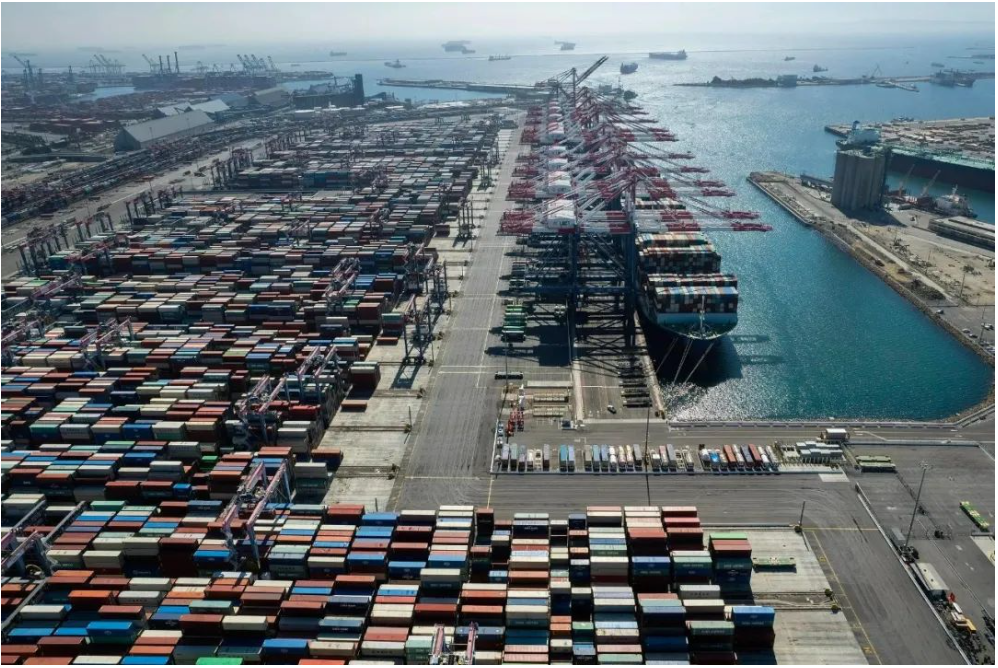
Why does the US line rise sharply in a week?
The Shanghai Airlines Exchange report noted that US retail sales data for May was better than market expectations, which showed that the US economy still has some resilience, supporting transport demand on North American routes to some extent.
The performance of transportation demand is stable, the relationship between supply and demand is balanced, and airlines implement the price increase plan, which promotes the sharp rise of freight rates in the spot market.
As for the continued decline of the European line and the Mediterranean line, the Shanghai Aviation Exchange report believes that this is due to the fact that the manufacturing PMI of the eurozone fell to 43.6 in June, the lowest level in 37 months, and the recession of the manufacturing industry intensified. The business growth of the eurozone almost stagnates, and the concern that the eurozone economy may fall into recession.
The lack of growth momentum in transportation demand and the unsatisfactory balance between supply and demand lead to the continuous decline of market freight rates.
Since July, liner companies have also begun to raise GRI on North American lines, with an estimated increase of $500 to $1,000 per 40-foot container.
Recently, CIMC Chairman and CEO Mai Bolang said in an interview that, in fact, since the second quarter, the market demand of the container shipping industry has shown a gradual recovery trend, and freight rates and cargo volume have stabilized.
This was backed up by the bid sellers, with one saying that "it feels like volumes are really back and better than April and May".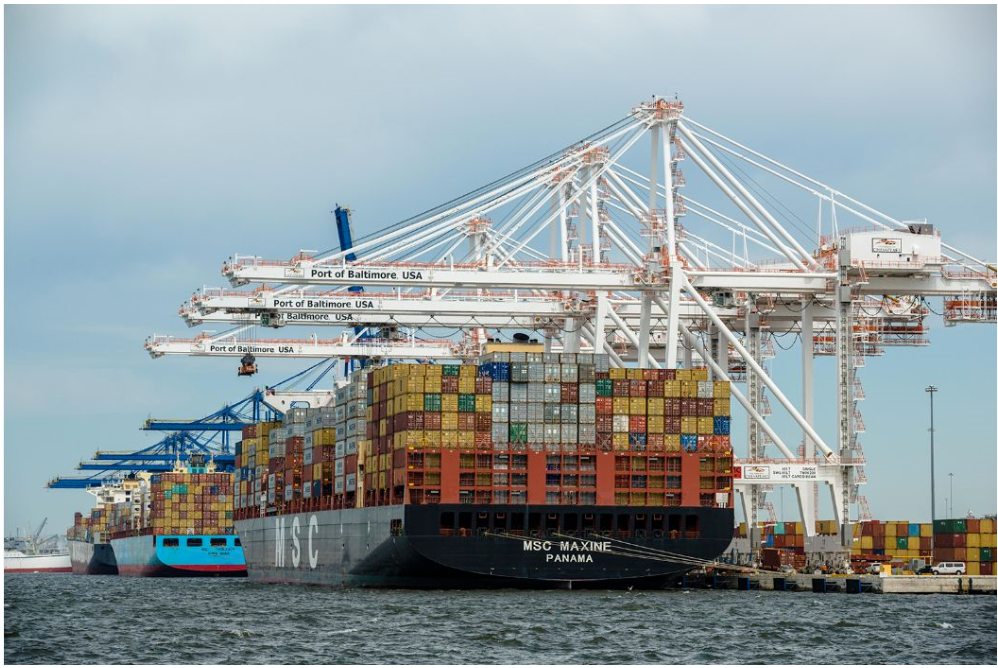
Terminal retail sales in the United States are expected to rebound, coupled with China's aggressive economic stimulus policies, the container shipping industry not only saw a rise in freight rates, but also a rise in the composite rate surcharge (GRI) in July.
Therefore, some container shipping operators believe that the container shipping industry may be able to usher in a peak season in the third quarter.
BIMCO expects global container sea volumes to grow in a range of 0.5%-1.5% in 2023 and 5.5%-6.5% in 2024 under its base scenario.
Traffic and growth rates are expected to recover in the second half of 2023, and by the end of 2024, total traffic on major outbound and regional routes will be about 7% higher than in 2022. Previous :
New opportunities! The operation of the China-Russia Arctic route has been officially launched! Trade volume sprinted to $200 billion!
Next :
"From material to material"! Dongyuan has built a complete industrial chain of calcium carbide -- BDO -- PBAT -- biodegradable polyester products
Previous :
New opportunities! The operation of the China-Russia Arctic route has been officially launched! Trade volume sprinted to $200 billion!
Next :
"From material to material"! Dongyuan has built a complete industrial chain of calcium carbide -- BDO -- PBAT -- biodegradable polyester products


