


Rates are falling again Season hopes dashed
Prospects for the traditional peak season are fading over time as shipping lines have yet to see a significant increase in export orders from China, hit by inflation and weak demand in the US and Europe. Maersk said recently that demand had remained "stable" but "there has not been any significant increase".
Another shipping company contact said it was too early to talk about a recovery. "We are now pinning our hopes on the post-peak period," he said. Eventually the inventory will need to be replaced for the holiday season because no one wants to buy last year's product."
Spot container rates on east-west trade routes came under renewed pressure last week with no growth in sight for the coming peak season. A freight forwarding company based in Shenzhen, China, is offering $1,000 per 40 feet from Ningbo or Qingdao to Rotterdam, valid until June 10.
In addition, a large shipping company has adjusted shippers' "special" FAK rates from Yantian, Nansha and Xiamen to a series of Nordic port contracts at $850 per 40 feet, effective June 1 and valid until June 14.
In contrast, Xeneta's XSI Asian-Nordic freight index fell slightly this week to an average of $1,370 per 40 feet.
At the same time, MSC has put more pressure on its 2M partner Maersk, announcing that from 9 June it will resume its grounded Swan service, which will resume operations from Asia to Antwerp and the Baltic Sea as an "independent MSC service".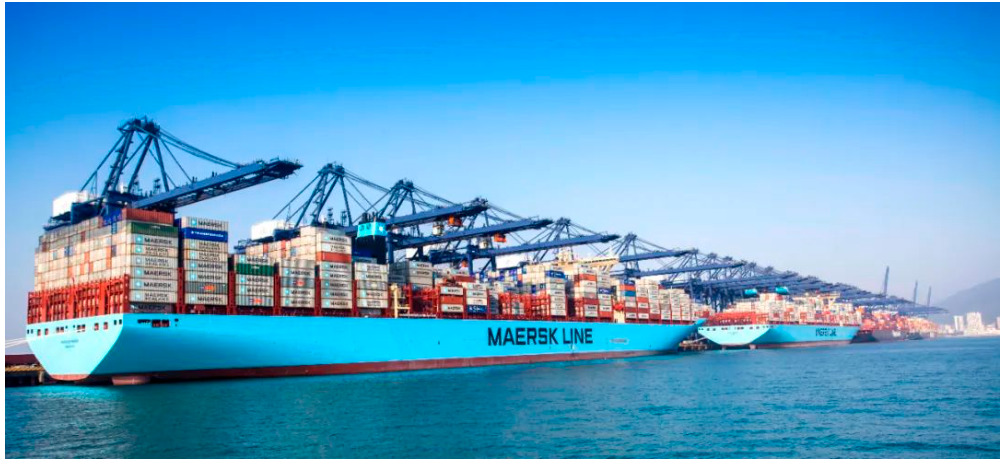
Elsewhere, the Asian-Mediterranean trade route has a more positive outlook for shipping companies, with Maersk saying: "We look forward to a complete service network while we are actively working to increase capacity to meet customer demand." It added that demand in the Mediterranean "is expected to continue to grow throughout the second quarter" and advised customers to use its SPOT platform to book.
On the trans-Pacific route, markets remain in the doldrums, plagued by the cost of living and rising interest rates - negative fundamentals are weighing on consumer spending in North America.
Recently, according to Signal, manifest imports through the Los Angeles container terminal fell 18% from a year earlier to 86,971TEU, with an 18% deficit likely to follow.
The average Asian-American spot rate on the Baltic freight index fell 15 per cent to $1,309 per 40ft, temporarily eliminating any hope for shipping companies to launch GRIs on the route.
On the Atlantic coast, spot rates were stable last week, with the average Delury Asian-American East rate falling slightly by 2 per cent to $2,760 per 40 feet.
Spot prices for transatlantic routes continued to fall, with the average XSI Nordic to Eastern American spot rate down 4.5 per cent this week to $2,367 per 40ft.
The world's container ships are sailing at the slowest speeds on record
Container shipping has been using one of the best strategies for ultra-slow travel to contain the worst of the market.
Recently, according to Clarksons Research, the average speed of the container fleet fell to an all-time low in the first quarter of this year, and analysis from BIMCO suggests that ships could be travelling even slower.
During the pandemic, liner operators increased average speeds by as much as 4 percent due to strong demand and widespread port congestion. Today, much has changed, with average speed dropping 4% year-on-year to 13.8 knots in the first quarter of 2023, and BIMCO says this speed could drop 10% by 2025.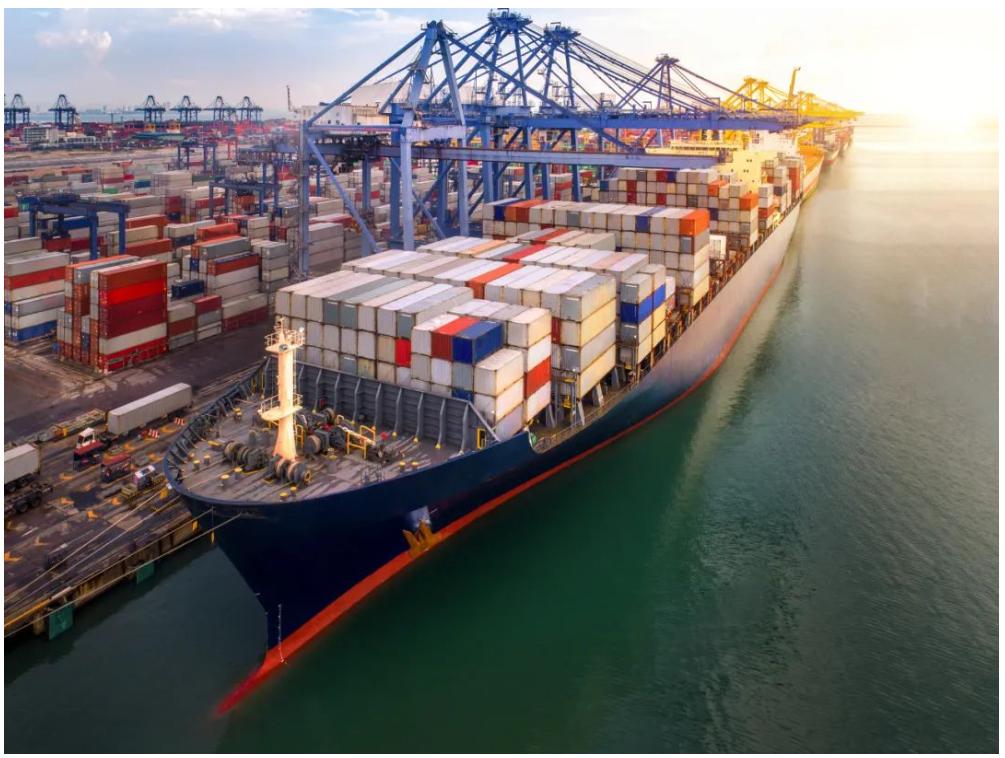
Alphaliner analyst Jan Tiedemann confirmed that liner services have been slowing down, in part to absorb what would have been excess capacity. However, the average speed of the global liner fleet has increased slightly in recent weeks as fuel prices have fallen, according to Alphaliner's latest data.
According to Alphaliner, the average speed of the global container fleet has fallen by about one knot over the past two years. "That doesn't sound like a lot, but at a global average of 16.5 knots, it's about 6 percent slower, or X percent more capacity to move the same amount of cargo," Tiedemann said.
"Service slowdown is a common tactic among operators. We have seen this over the past few decades whenever there has been structural overcapacity or high fuel prices (or both). Lars Jensen, founder of container consultancy Vespucci Maritime, explains: "Right now, the industry is facing both of these problems.
A lot of new capacity is being added to markets where demand is growing slowly.At the same time, Jensen noted that new environmental regulations and a looming carbon tax have the same impact as raising fuel prices.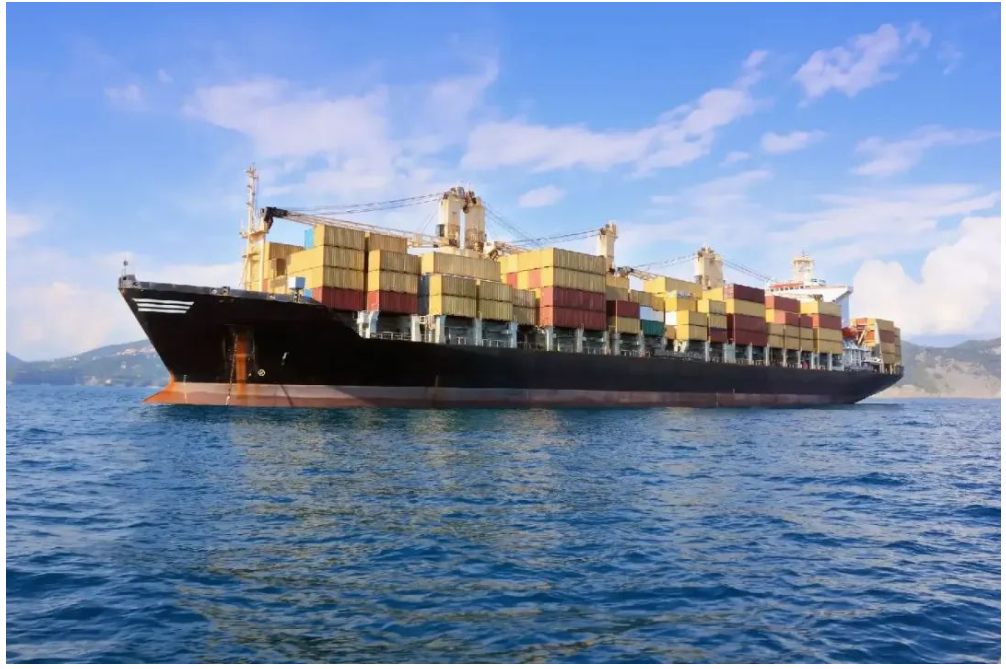
Record numbers of new ships are coming on stream from Asian shipyards, and service is getting slower. Maersk and Mediterranean Line, for example, announced this month that they would put nine more ships on the Asia-Europe route, adding that the services would be three days slower than before to absorb all the new capacity.
With sluggish demand and an unusually large backlog of orders to be delivered, liner companies expect challenging conditions to persist for a long time, so they have been adjusting their fleets to lower speeds.
South Korean shipping company HMM, for example, announced a decision last month to replace the propellers on six container ships with more efficient propellers designed for slow sailing.
Alphaliner analyst Tiedemann observed that the transition to new fuels such as liquefied natural gas, methanol and ammonia, which will be much more expensive than current fuels, is also good for reducing speeds. "This changes the capital cost/fuel cost balance, so it makes sense to deploy additional vessels while saving fuel," he explained.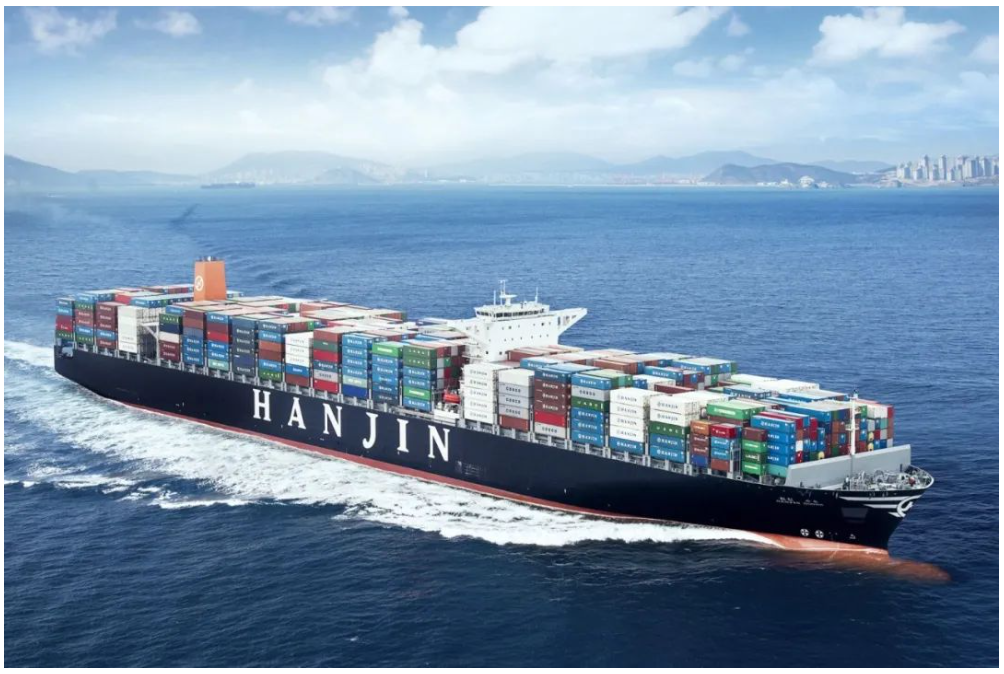
After making record profits throughout the pandemic, liner companies have seen their fortunes decline over the past 11 months. Israel's ZIM and Taiwan's Wan Hai Line this month became the first big lines to post quarterly losses since 2020.
Overall, however, slow sailing has allowed most shipping companies to successfully avoid losing money.
John McCown, head of Blue Alpha Capital, recently reported net income of $13 billion for the container shipping industry in the first quarter.
