
Teachers, civil servants, rail workers, bus drivers and security staff went on strike on February 1.
According to the union, the total number of strikers is expected to be half a million. Agence France-Presse said it was the biggest strike Britain has seen in about a decade.
Thousands of schools across Britain were closed, rail services disrupted and border officers responsible for immigration checks at airports and ports stopped working during the mass strike. Firefighters and NHS doctors and nurses have also voted to join the strike.

The strike could cost the economy as much as £200 million, with severe disruption to education and commuting. In addition, about 23,000 public schools are expected to be forced to close, leaving millions of students out of class.
Mark, general secretary of the civil service union, said the high number of strikers showed the need for urgent action to tackle the cost of living crisis.
The strikers are said to be demanding a pay rise above the country's inflation to pay for soaring food and energy bills. They say current wages cannot cover the high bills.
According to data released by the Office for National Statistics on January 18, the consumer price index (CPI) in the UK in December 2022 rose 10.5% from a year earlier, the second month in a row, but food and drink prices rose at the fastest rate since September 1977.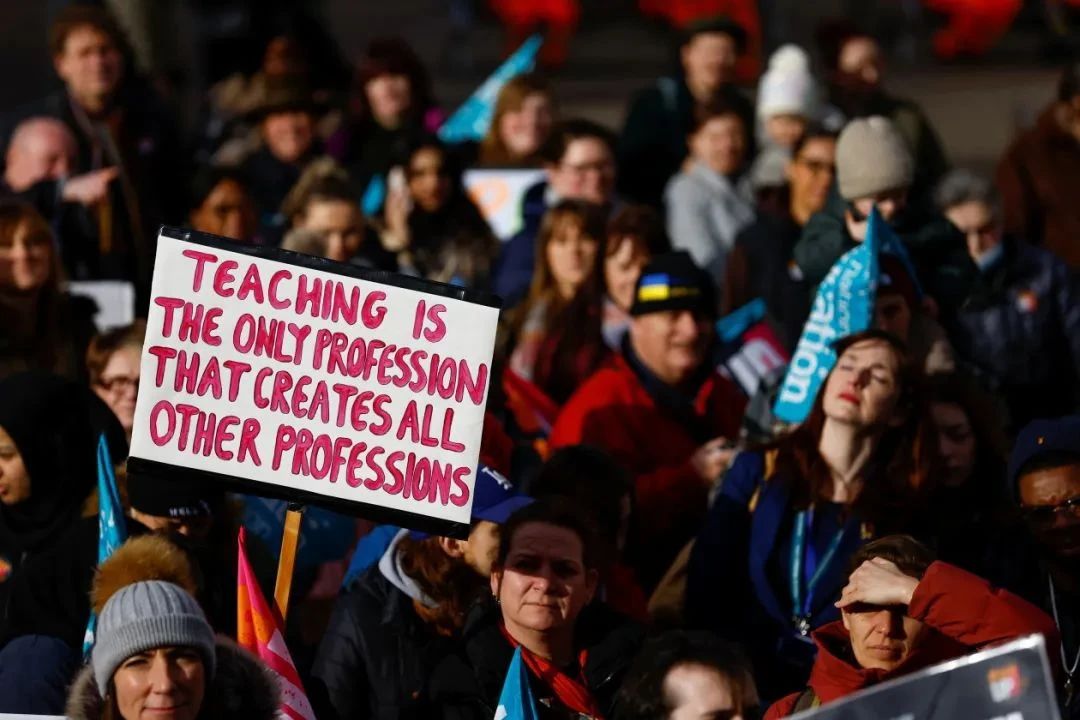
Average public sector wages, excluding bonuses, rose just 2.7 per cent between August and October, according to the Office for National Statistics, despite inflation hitting a 40-year high last year. By contrast, wages in the country's private sector rose 6.9 per cent over the same period.
The Centre for Economics and Business Research estimates the strikes will cost the economy 1.7 billion pounds ($2.09 billion) in the eight months to January 2023, or about 0.1 percent of Britain's estimated GDP.
Despite the International Monetary Fund's latest upgrade to its forecast for global economic growth, the UK has received a gloomy forecast.
The IMF expects the UK to have its first recession since the financial crisis in 2009, excluding the coronavirus pandemic, and to be the only G7 country to see its economy shrink this year, by 0.6 per cent for the whole year.
The Bank of England, Britain's central bank, raised its benchmark interest rate by 50 basis points to 4% on Tuesday. This is the 10th consecutive rate rise by the Bank of England since December 2021.
Apart from Britain, Germany and France, both members of Europe's "troika", are also having a hard time.
Germany is the economic locomotive of the European Union. GDP figures unexpectedly contracted in the fourth quarter of last year, adding to uncertainty about German growth in the first quarter of this year and pouring cold water on the European Union economy.
On January 30, local time, the data released by the German Federal Statistics Office showed that the preliminary GDP of Germany in the fourth quarter of 2022 fell 0.2% on a quarterly basis, less than market expectations.
It was the first contraction since the first quarter of 2021, the Federal statistics office said. That followed growth of 0.5 percent in the third quarter and 0.1 percent in the second.
The contraction in German GDP in the fourth quarter of 2022 was mainly due to a fall in private consumption, according to the Federal statistics office.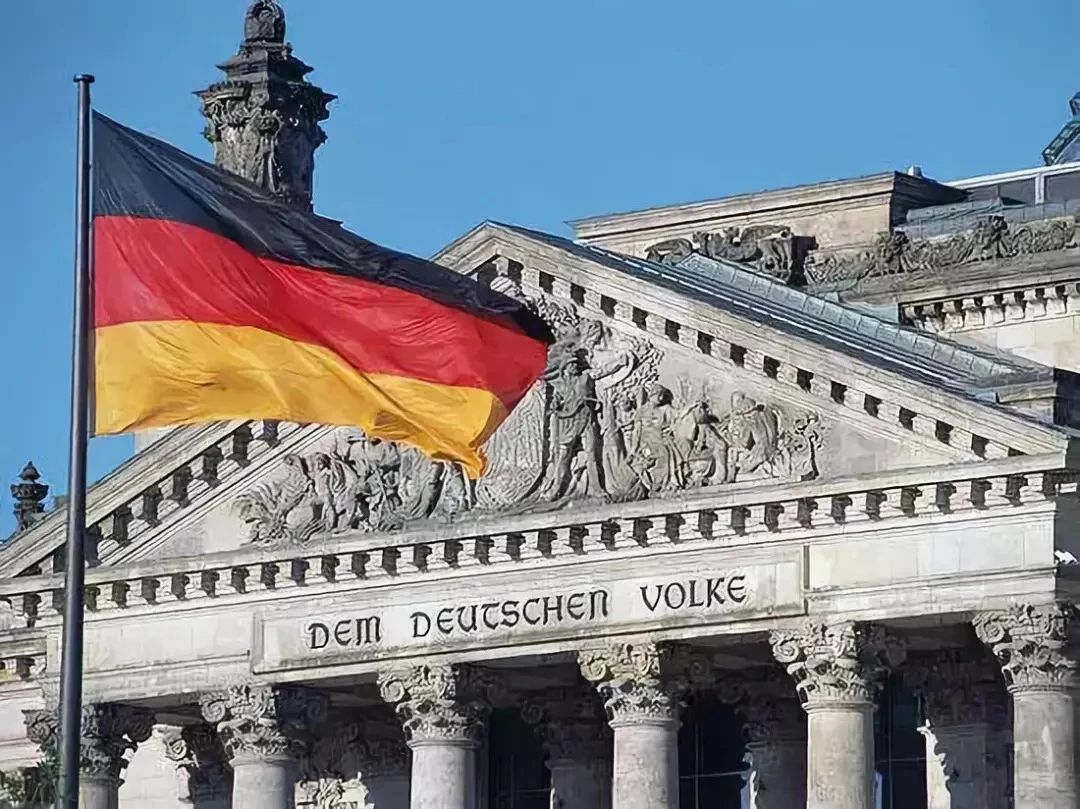
In its latest statement, the boe expects UK GDP to grow by 0.1% in the fourth quarter of 2022, compared with a previous forecast of 0.3% decline, and a 0.1% contraction in the first quarter of 2023. The economy is forecast to shrink by 0.5 per cent in 2023 and 0.25 per cent in 2024.
Apart from Britain, Germany and France, both members of Europe's "troika", are also having a hard time.
Germany is the economic locomotive of the European Union. GDP figures unexpectedly contracted in the fourth quarter of last year, adding to uncertainty about German growth in the first quarter of this year and pouring cold water on the European Union economy.
On January 30, local time, the data released by the German Federal Statistics Office showed that the preliminary GDP of Germany in the fourth quarter of 2022 fell 0.2% on a quarterly basis, less than market expectations.
It was the first contraction since the first quarter of 2021, the Federal statistics office said. That followed growth of 0.5 percent in the third quarter and 0.1 percent in the second.
The contraction in German GDP in the fourth quarter of 2022 was mainly due to a fall in private consumption, according to the Federal statistics office.
France, like Britain, is in the grip of strikes. More than one million people in France demonstrated against the reform of the retirement system on January 31, China News Service reported.
The strike hit local transport hard, with most French rail services cancelled for the day and most Paris metro lines offering limited service during rush hour.
The strike was the second in a series of recent cross-industry strikes against retirement reforms, following a nationwide walkout on January 19 in which 1.12 million people took part.
On January 10 this year, the French government announced a plan to reform the retirement system. One of the most strongly opposed parts of the plan is the proposal to raise the retirement age from the current 62 to 64 by 2030.
France's economic growth will slow to 0.3% in 2023 from 2.6% last year, according to the Bank of France. Unemployment, meanwhile, is expected to worsen, rising to 7.7 per cent by the end of this year and topping 8 per cent by 2024, according to the forecast.
According to the French magazine The Atlantic, a year ago at this time, the European public hoped that the world economy would recover, but today, Europe has not yet emerged from multiple troubles, Britain, France, Germany and other countries will face another difficult spring.


