Russia reimposed capital controls
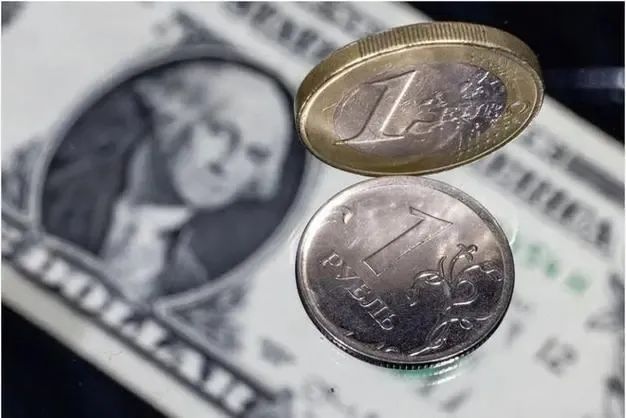
Last week, the Russian government announced that it would require 43 of Russia's largest exporters, including oil producers, to force a certain percentage of profits from overseas sales on the domestic market in an effort to stabilise the rouble. The decree on the mandatory sale of foreign exchange will affect large Russian companies that export fuel, energy, metallurgy, chemical industries and other sectors.
Argentina's central bank raised its benchmark interest rate to 133%
Recently, the Central Bank of Argentina announced an interest rate hike of 1,500 basis points, raising the benchmark interest rate from 118% to 133%. This is the sixth rate hike this year. The main reason for the rate hike is that inflation in Argentina accelerated in September and is expected to slow in October. The central bank said it will closely monitor price levels and the foreign exchange market and adjust monetary policy in a timely manner.

The offshore yuan strengthened against the US dollar yesterday, depreciated against the euro and was unchanged against the yen
The offshore RMB strengthened slightly against the US dollar yesterday, as of press time, the offshore RMB against the US dollar exchange rate was 7.3165, compared with the previous trading day's close of 7.3250, an appreciation of 85 basis points.
Yesterday, the offshore RMB exchange rate against the euro slightly depreciated, as of press, the offshore RMB exchange rate against the euro was 7.7642, compared with the previous trading day's close of 7.7585, depreciated 57 basis points.
Yesterday offshore RMB to 100 yen unchanged, as of press, offshore RMB to 100 yen exchange rate of 4.8800, compared with the previous trading day close of 4.8800, no change.
The onshore renminbi depreciated against the dollar and euro yesterday and was unchanged against the yen
The onshore renminbi weakened slightly against the US dollar yesterday, as of press time, the onshore renminbi against the US dollar exchange rate of 7.3153, compared with the previous trading close of 7.3137, depreciating 16 basis points.
The onshore renminbi weakened slightly against the euro yesterday, as of press time, the onshore renminbi to the euro exchange rate of 7.7604, compared with the previous trading close of 7.7496, a depreciation of 108 basis points.
The onshore RMB exchange rate to 100 yen was unchanged yesterday, as of press time, the onshore RMB exchange rate to 100 yen was 4.8800, compared with the previous trading day's trading price of 4.8800, no change.
Yesterday, the central parity rate of the RMB strengthened against the US dollar and depreciated against the euro and the yen
The renminbi appreciated slightly against the US dollar yesterday, with the central parity rate of the renminbi to the US dollar at 7.1792, up 1 basis point from 7.1793 in the previous trading day.
The renminbi depreciated slightly against the euro yesterday, with the central parity rate of the renminbi to the euro at 7.6378, down 103 basis points from 7.6275 on the previous trading day.
Yesterday, the exchange rate of RMB against 100 yen slightly depreciated, the central rate of RMB against 100 yen was 4.8234, compared with 4.8232 on the previous trading day, depreciating 2 basis points.

The IMF expects India to contribute more to global growth
On the 23rd, the International Monetary Fund (IMF) predicted that India's nominal GDP will grow to $5.94 trillion in 2028, the Indian economy will grow by 6.3 percent this year and next, and the Asia-Pacific region including India is expected to be the most dynamic region this year, growing by 4.6 percent. However, its growth is expected to slow to 4.2% next year and 3.9% in the medium term.
$160 billion for green investment in the UAE
Last year, the UAE said it would invest $36 billion in foreign renewable energy and $160 billion in green investment over the next 30 years. The UAE has said it plans to triple its renewable energy supply over the next seven years and invest up to $54 billion to meet its growing energy demand.


