Recently, according to the data released by the General Administration of Customs of China, in US dollar terms, the total value of China's imports and exports in September 2023 was 520.55 billion US dollars, an increase of -6.2% (the previous value was -8.2%).
Among them, exports were 299.13 billion US dollars, up -6.2% (previous -8.8%); Imports were US $221.42 billion, + -6.2% (previously -7.3%); The trade surplus was $77.71 billion.
In RMB terms, China's import and export value was 3.74 trillion yuan, up -0.7% (previous -2.5%).
Among them, exports were 2.15 trillion yuan, up -0.6% (previous value: -3.2%); Imports 1.59 trillion yuan, + -0.8% (vs. -1.6%); The trade surplus was 558.74 billion yuan.
Both imports and exports fell in September from a year earlier
According to data released by the General Administration of Customs, China's imports and exports in September were worth 520.55 billion U.S. dollars in dollar terms. The trade surplus was 77.71 billion US dollars, expanding from the previous surplus of 68.36 billion US dollars.
Among them, exports in September fell 6.2% year-on-year, a decline of 2.6 percentage points narrower than the previous value of -8.8%; Imports in September fell by 6.2% year-on-year, 1.1 percentage points narrower than the previous value of -7.3%.
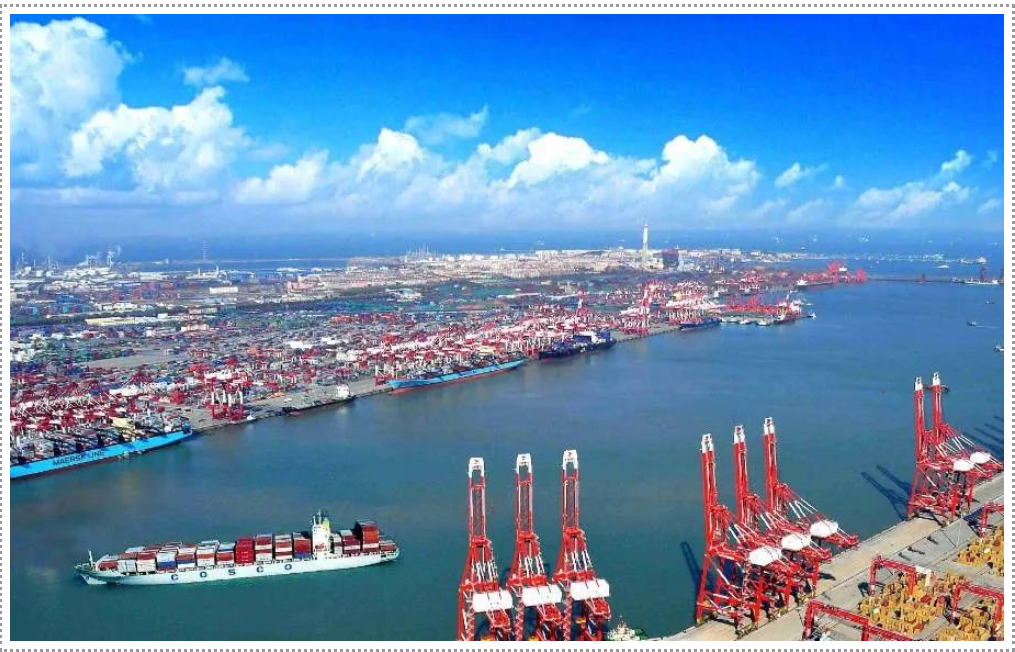
In renminbi terms, China's import and export value in September was 3.74 trillion yuan, the highest for a single month this year. The trade surplus was 558.74 billion yuan, expanding from the previous surplus of 488 billion yuan.
Among them, exports in September fell 0.6% year-on-year, 2.6 percentage points narrower than the previous value of -3.2%; Imports fell 0.8% year-on-year in September, narrowing 0.8 percentage points from the previous value of -1.6%.
The trade surplus in September was US $77.71 billion, down by 6.0% year-on-year, or 7.4 percentage points. Therefore, on the whole, the decline in the growth rate of exports, imports and trade balance narrowed for two consecutive months.
Exports edged up 0.6 per cent in the first three quarters from a year earlier
Recently, Lu Daliang, director of the Statistical Analysis Department of the General Administration of Customs, said that in the first three quarters of this year, in the face of a complex and severe external environment and multiple domestic difficulties and challenges, China's foreign trade imports and exports ran smoothly and actively.
Exports in the first three quarters edged up 0.6% year on year, with exports of automobiles up 48.2% year on year.
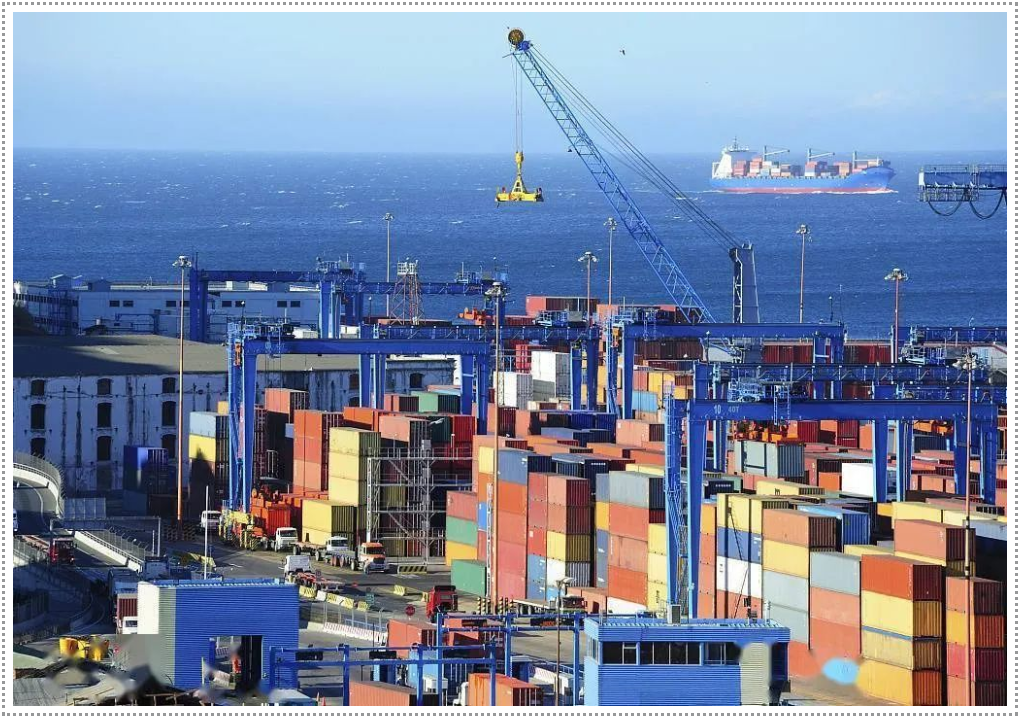
According to customs statistics, the total value of China's import and export in the first three quarters was 30.8 trillion yuan, slightly down 0.2% year-on-year. Among them, the export was 17.6 trillion yuan, up 0.6% year on year; Imports were 13.2 trillion yuan, down 1.2% year-on-year.
According to the results of the China Customs trade climate survey, the proportion of new exports and import orders increased or remained flat in September increased by 0.8 percentage points and 1.7 percentage points respectively from the previous month.
The proportion of export and import enterprises increased by 1.3 and 0.7 percentage points respectively from the previous month.
The performance of developed and emerging markets diverged
From the perspective of export countries, in September, China's export growth rate to major developed countries has improved to varying degrees, but the export growth rate to ASEAN countries has declined slightly.
In September, China's exports to the United States fell 9.3% year on year, a slight improvement of 0.2 percentage points from the 9.5% drop in August; Exports to the European Union rose sharply, from -11.6 per cent year-on-year in September to -19.6 per cent in August.
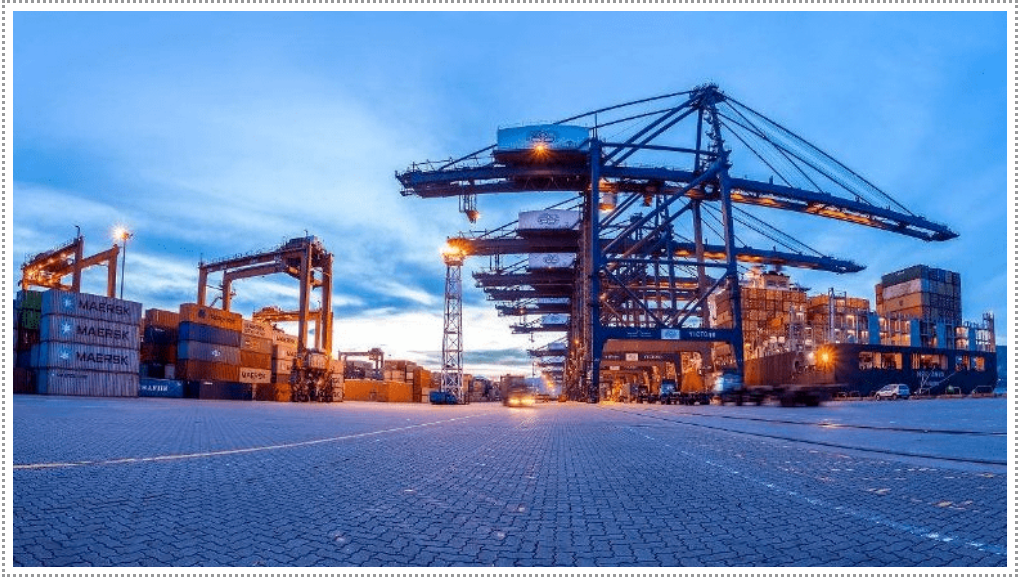
Exports to Japan rose -6.4% in September, down 13.7 percentage points from -20.1% in August. Export growth to ASEAN countries eased slightly to -15.8% from -13.4% in August.
The total scale of China's exports to the United States, the European Union, Japan and ASEAN countries or regions accounted for 48.7% of all exports in September, dragging down China's exports by 6.0 percentage points.
However, from the trend point of view, compared with the 7.8 percentage points drag on export growth in August, the export situation of major exporting countries in September was significantly improved, especially the export drag on the major developed countries in the United States, Japan and Europe improved significantly.
In addition, the decline in exports to Africa and Latin America narrowed, and the growth of exports to Russia was maintained.
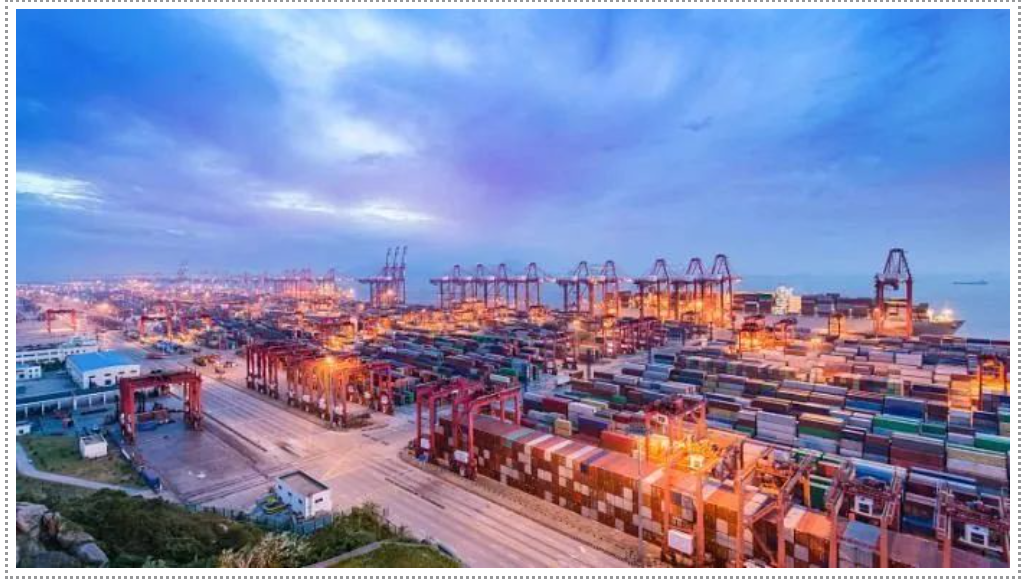
In September, China's exports to Africa fell 3.1% year-on-year, the decline narrowed by 2.3 percentage points compared with the previous month, and the cumulative growth from January to September was 9.1%, which was 2.6 percentage points lower than that from January to August.
In September, exports to Latin America fell 3.7% year on year, a decline of 4.1 percentage points narrower than the previous month, and the cumulative decline from January to September was 4%, a decline of 0.7 percentage points narrower than that from January to August.
In September, China's exports to Russia increased by 20.6% year on year, an increase of 4.3 percentage points over the previous month, a cumulative year-on-year growth of 62.3% from January to September, an increase of 10.2 percentage points lower than that from January to August.
Therefore, from the perspective of export countries, China's export pressure on major developed countries has eased significantly, and its export to emerging markets is weak.
Looking ahead, China's imports and exports have entered a stage of steady recovery, and favorable factors are gradually increasing.
First, last year's high base effect will continue to improve in the fourth quarter; Second, the economic resilience of developed countries such as the US, Japan and the ROK is expected to support a partial recovery in external demand. Third, domestic economic repair will help boost import demand.
In the near term, due to the tension in the Middle East, it is necessary to focus on the disturbance of geopolitical conflicts on imports and exports.


