Polyadipate/butylene terephthalate (PBAT) is a new thermoplastic aliphatic-aromatic copolyester biodegradable plastic. Due to its good ductility, elongation at break, heat resistance, impact resistance and excellent biodegradability, it is widely used in plastic packaging, agricultural mulch, sanitary products and biomedical fields. Based on the resource status of rich coal, poor oil and little gas in China, the downstream products of coal chemical industry are efficiently used to produce raw materials for the synthesis of biodegradable polyester PBAT, such as terephthalic acid (TPA), adipic acid (AA) and 1, 4-butanediol (BDO), which reduces the dependence on petroleum resources and provides an important way for the high-quality utilization of downstream products of coal chemical industry.
The synthesis of PBAT consists of two stages, esterification and polycondensation, in which catalysts play a crucial role, and the most widely used catalysts are antimony, germanium and titanium. Antimony catalysts have high catalytic activity, few side reactions and low price, and have basically realized large-scale industrialization in the field of polyester. However, antimony compounds are easy to produce "fog" when they are used as catalysts, which coexist with arsenic in nature and belong to toxic substances, which does not meet the environmental protection concept of green health; The color of polyester products prepared by germanium catalysts is good, but the scarcity of germanium resources in nature leads to high price, and it is difficult to control catalytic activity during the reaction process, which leads to non-industrial application, mainly used in the film forming process. Titanium catalysts are abundant in nature, non-toxic and harmless, and have high catalytic activity, thus replacing other catalysts has been widely concerned by researchers. However, the titanium catalysts currently used have problems such as easy hydrolysis, obvious catalytic side reactions, yellow product color, poor thermal stability, etc., so the development of high-performance catalysts still faces great challenges. In this paper, the development and application of catalysts required in the reaction process of PBAT since the synthesis of domestic and foreign researchers are introduced in detail, in order to provide some references for the future research work of synthesis of high-performance catalysts.
(一)Organotitanate catalyst
As early as the 1990s, German BASF company successfully developed copolyester PBAT, named "Ecoflex", and completed the expansion of Ecoflex degradable polyester device in 2011, through the characterization test of Ecoflex, it was found that it has a long chain branched structure. And has good tensile strength, flexibility and impact resistance, but also has good oxygen and water vapor resistance and biodegradability, in the polyester industry set off a boom, since then PBAT has attracted the attention of the majority of researchers.
Subsequently, Ma Yiping et al. used tetrabutyl titanate as catalyst and found that the prepared PBAT had good thermal stability and comprehensive performance when the reaction temperature was 220~230℃ and the reaction time was about 6 h. The results show that the use of BDO is reduced, the side reaction caused by dehydration cyclization of BDO is effectively reduced, and the activity and stability of the catalyst can be maintained. It was found that tetrabutyl titanate catalyzed the main reaction and also played an active role in thermal degradation and thermal oxidation and other side reactions. Therefore, Yuan Renxu et al used tetrabutyl titanate as catalyst and phosphorous acid as stabilizer to successfully inhibit the occurrence of some side reactions and prepared PBAT with good biodegradation performance. Studies have shown that phosphite has a group P = O that can provide electrons, and this group can coordinate with Ti atoms that provide empty orbitals, occupying the coordination center of Ti metal to reduce the catalytic activity of thermal degradation reaction and reduce the occurrence of side reactions to improve the quality of products.
On the basis of their research group, Chen Han et al. chose diisopropyl acetylacetonate titanate as catalyst, aiming at the disadvantages such as poor hydrolysis resistance when tetrabutyl titanate was used as catalyst, easy hydrolysis in the reaction process and condensation of the hydrolyzed products into dense and viscous oligomers containing Ti-O-Ti bonds, which resulted in catalytic inactivation. At the same time, 0.1% antioxidants and 0.2% glycerol are used as additives to form a composite catalytic system, which improves the stability of the catalyst in the system. It is found that glycerol is introduced into the synthesis process as the third monomer, which can reduce the reaction time. Moreover, the flexibility and impact resistance of PBAT can be improved without affecting the molecular weight and other properties.
At present, there are two explanations for the mechanism of polycondensation catalyzed by organotitanate catalysts. One is the coordination complex mechanism proposed by Zimmermann et al in 1962, as shown in Figure 1. It is believed that in the polycondensation reaction stage, metal active ions in the catalyst provide empty orbitals to accept electrons or electron pairs to replace hydroxyl hydrogen, and carbonyl groups on ester groups provide electron pairs. Coordination with the empty orbital provided by the metal to form a seven-membered ring transition state, through electron transfer to increase the positive electrical properties of carbonyl carbon atoms, carbonyl oxygen on another ester group and positively charged carbonyl carbon, metal ions are separated, the molecular chain continues to grow until the synthesis of polyester macromolecules. The second is the central coordination mechanism proposed by Kamatani. As shown in Figure 2, it is believed that the hydroxyl oxygen in multiple ethylene ester groups is replaced by metal ions at the same time to carry out chain growth reaction with multiple carbonyl oxygen coordination. Although the coordination numbers of the two mechanisms are not the same, the essence is to generate active intermediates by means of the coordination between ligand and receptor, thus speeding up the reaction.
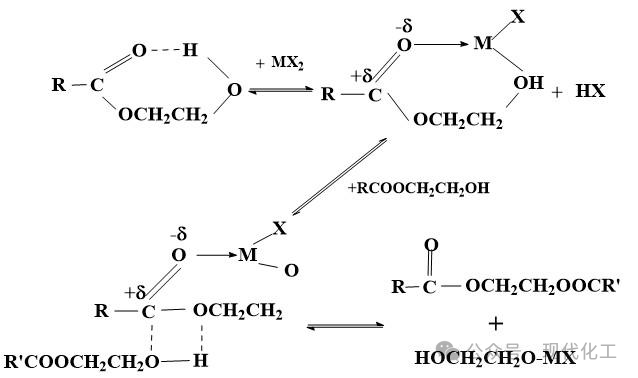 Figure 1. Coordination Complex Mechanism
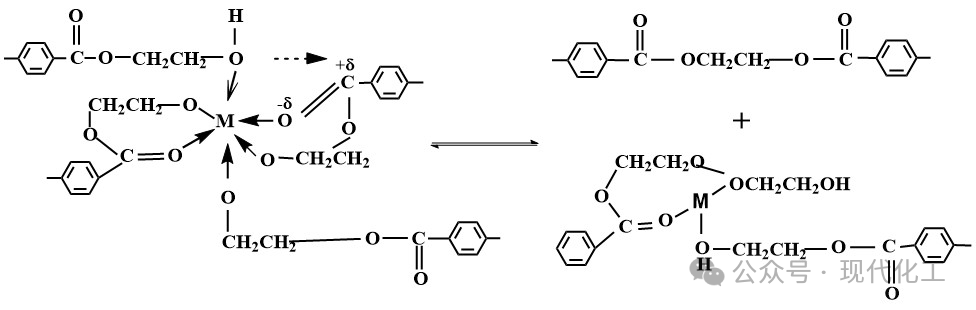 Figure 2. Central Coordination Mechanism
Because the structure of organotitanate catalyst is unstable and the activity is not regulated, the active component is easy to dissolve in the reaction process, and the activity decreases accordingly, which leads to the side reaction such as thermal degradation at high temperature. Therefore, in recent years, people have focused on the combination of titanium-based catalysts with other metal compounds to improve the stability of the catalyst and the dispersion of the active component to promote the reaction.
(二)Composite composite titanium catalyst
In view of the problems such as easy hydrolysis instability faced by the above organic titanate catalysts in the synthesis process, researchers have considered the composite modification of titania-based catalysts with other system catalysts, in order to explore the composite catalyst system with high catalytic activity, small side reaction, safety and environmental protection. The following describes in detail the exploration and application of composite titanium-based catalysts prepared by different composite methods in PBAT synthesis.
2.1 Direct Composite CatalystThe direct composite catalyst is the direct mixing of tetrabutyl titanate and antimony compound. The introduction of antimony can improve the catalytic activity of the catalyst, and the concentration of antimony metal is positively correlated with the catalytic activity. Li Xin directly mixed antimony trioxide (Sb2O3) with tetrabutyl titanate, and added triphenyl phosphate as a heat stabilizer in the process to synthesize a series of PBAT at different polymerization temperatures. Through investigation, it was found that the performance of the PBAT synthesized by the composite catalyst was significantly better than that of the single-component catalyst. When the polymerization temperature was 260℃, the activity of the catalyst was the highest. It was found that the three valence antimony metal elements (Sb3+) and tetrad coordination Ti ions played catalytic activities in the composite catalyst, and the catalytic action of Sb3+ generally occurred in the pre-polycondensation stage, and the coordination intermediates formed were relatively stable and not susceptible to hydrolysis, which could improve the coordination stability of Ti in the polycondensation stage. Wang et al. mixed antimony acetate [Sb(OAc)3] with tetrabutyl titanate to prepare a composite titan-based catalyst, and adopted the direct esterification method at low temperature for the first time, which proved that the catalytic effect of the titanium/antimony composite catalyst was significantly higher than that of the single-component tetrabutyl titanate catalyst, and the low temperature inhibited the dehydration of BDO to THF, and the prepared PBAT had higher characteristic viscosity. Good mechanical properties. Apicella et al. found that the catalytic activity parameters of the thermal degradation reaction of antimony acetate [Sb(OAc)3] were low, indicating that the introduction of antimony metal could also inhibit the occurrence of part of the thermal degradation side reaction, thereby reducing the content of terminal carboxyl group and improving the molecular weight and other properties of the product. However, the introduction of antimony metal will also have many defects, such as Sb2O3 in the high temperature polycondensation stage may be reduced to metal antimony elemental, which will cause the product to produce "fog" phenomenon affecting its quality, and the acetic acid impurities introduced in antimony acetate will corrode the equipment; At the same time, antimony is a heavy metal element, which will cause harm to human health and the environment, and does not meet the requirements of safety and environmental protection in industrial applications.
2.2 Precipitation-type Composite Catalyst
The precipitation-type composite titanium catalyst is mainly obtained by hydrolysis of organic ester catalyst with other compounds, which can not only improve the stability of the active metal in the whole composite system, but also increase the number of active sites. Sun Xiangbin et al. added nano-carrier, modifier and titanate into solvent to obtain solid granular composite titan-based catalyst by hydrolysis and filtration, and then used it in the synthesis experiment of PBAT. The resulting product had tensile strength ≥35 MPa and tensile strain ≥500% at break. The modifier introduced in the preparation process of the composite catalyst contained alcohol hydroxyl (- OH) active groups. The hydrogen bond with the nanocarrier exposes more active sites, and more titanate is loaded on the nanocarrier particles, thus improving the monomer polymerization efficiency and conversion rate of the reaction.
Zhang Baozhong et al. dissolved titanate, carbonate, phosphoric acid and ethyl orthosilicate into anhydrous ethanol for full hydrolysis, cooled, filtered and dried to obtain a white solid titanium composite catalyst and applied it to the synthesis of PBAT. The experimental results show that the polycondensation time of the reaction is shortened by 2~3 h, the melting index is reduced to 20~3, the composite catalyst is stable in the reaction process, and the mechanical properties and processing properties of the product are improved. Moreover, the catalyst component does not contain heavy metal antimony, which is a non-toxic or low-toxic catalyst system, effectively avoiding the "gray fog" phenomenon of the prepared polyester products, and reducing the heavy metal pollution to the environment. Compared with single-component titanium catalyst, the composite catalyst can catalyze both esterification and polycondensation reaction. The catalytic mechanism of esterification reaction is shown in Figure 3. Studies have shown that the L-acid site provided in the esterification catalyst can maintain catalytic stability in the reaction medium rich in water, and the metal atoms in the L-acid catalyst can coordinate with the carbonyl oxygen in the carboxyl group, thus increasing the esterification reaction rate. In addition, L-acid and B-acid sites can be transformed into each other under certain conditions, and the modulation ratio may play a role in promoting esterification.
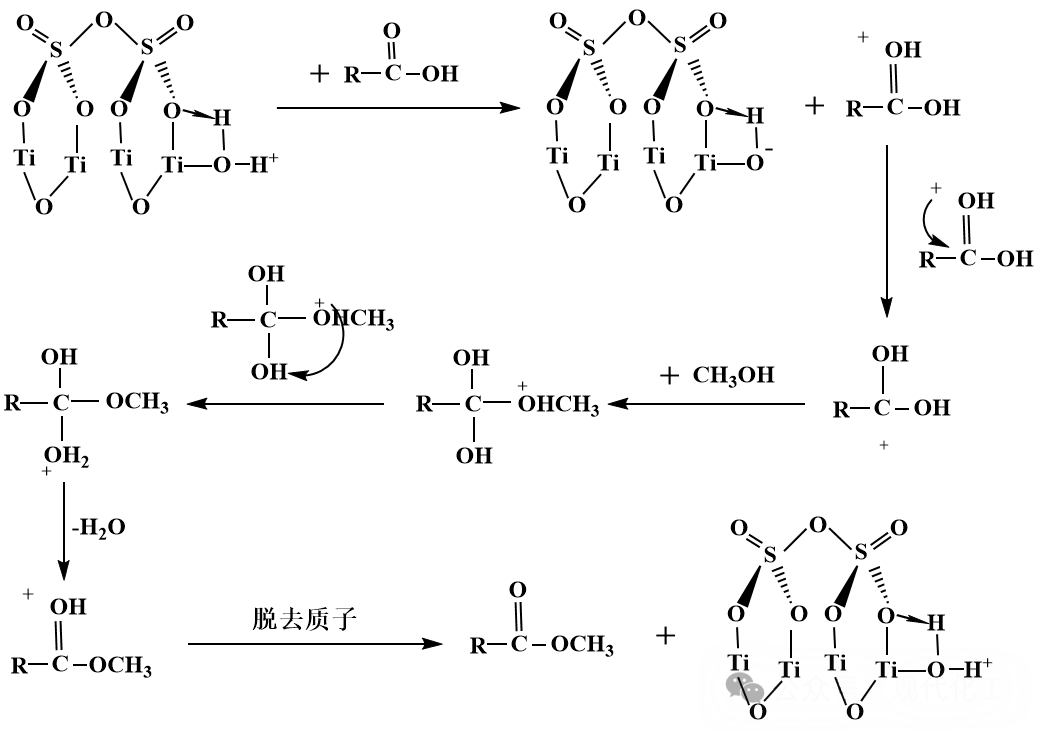 Figure 3. Mechanism Of Esterification Reaction
Therefore, the catalytic acid site in the esterification reaction stage can be modified in future studies to improve the efficiency of the esterification reaction stage by regulating the type, content and dispersity of acid sites. At the same time, the cyclization dehydration of BDO can be inhibited by adjusting the proportion of different acid sites to reduce the generation of THF, so as to provide excellent reaction intermediates for the subsequent polycondensation stage.
2.3 Supported composite catalyst
Supported composite titanium-based catalysts mainly use titanate titanium compounds as titanium sources, and the existing studies mainly use nano-silica and nano-biomass as carriers in order to make the active site better dispersed. Hu Jianglin et al. added nano-biomass carrier, sodium hydroxide or sodium ethanol and titanate into ethanol and other solvents to obtain titanate-supported nanoparticle dispersion solution, and then filtered and dried to prepare the required biomass composite catalyst. The molecular weight of the prepared PBAT product was up to 6.58×10⁴ g/mol. The molecular mass distribution is narrow (PDI2.8), the end carboxyl group content is low, and the tensile strength of the pure product can reach 30 MPa. It was found that the biomass carrier in the biomass composite catalyst generally contains active groups such as phenolic hydroxyl group, alcohol hydroxyl group, oxo-phenylpropanol and its derivative structural units. Using sodium hydroxide or sodium ethanol as an alkaline accelerator can better promote the exchange between these active groups and titanate, and load Ti active components on the biomass to improve the dispersion. The whole composite catalyst wrapped in the biomass macromolecule structure improved the hydrolysis resistance and photostability.
Although the composite titanium-based catalyst has the characteristics of small amount and high activity, with the continuous in-depth research, it is found that this type of titanium-based catalyst still has the following problems: First, most of the widely used composite catalysts need to introduce heavy metal antimony, which does not meet the development concept of green environmental protection; Second, most of the catalysts studied at present only play a catalytic role in the polycondensation reaction stage, and methyl sulfonic acid is also added as the catalyst for esterification in the reaction process. Thirdly, it is still necessary to add stabilizer to improve the color of synthetic PBAT. Fourth, the composition of bio-based materials is relatively unstable, and a series of problems such as molecular chain implosions or agglomeration will occur in the subsequent mass production process, which will affect the quality of products. Therefore, in view of the above problems, researchers need to conduct more in-depth research on high-performance catalytic systems.
(三) Other Types Of Catalysts
With the continuous expansion of the demand for PBAT in the current industrial market and the gradual in-depth exploration of it by researchers, in addition to titanium-based catalysts, many new and efficient catalysts have been developed by researchers and used in the synthesis process of PBAT.
Due to the abundant rare earth resources in China, and the unique and complex electron arrangement in the rare earth element atoms, there are generally multiple empty f and d orbitals outside the nucleus, which can accept electrons, and similar to Ti atoms, also have strong coordination capabilities. Zhu et al. synthesized a variety of rare earth (Nd, Y, La, Dy) compounds for the first time, and used them to synthesize biodegradable polyester PBAT with high polymer quality. The study found that rare earth stearate compounds had better catalytic activity than pure tetrabtyl titanate catalysts, and dysprosium stearate catalyzed copolyesters with better comprehensive properties. The weight average molecular weight can be as high as 7.68×10⁴ g/mol, the molecular weight distribution is narrow (PDI1.64), and the mechanical properties are the best. It is further indicated that rare earth elements have strong electron receiving ability, and doped in metal catalyst will form super coordination structure with Ti atoms, and protect Ti active sites to form multiple active sites with spatial structure, so as to improve the catalytic efficiency of polycondensation reaction.
Creatinine, an organic guanidine derivative, was first applied to the synthesis of polyester as a catalyst for ring-opening polymerization of lactide, and it was proved in the experiment that the creatinine catalyst was in line with the coordination insertion polymerization mechanism. Therefore, the team of Academician Zhang Quanxing of Nanjing University continued to study the organic guanidine catalyst and applied it to the synthesis of PBAT to explore its impact on performance. For the first time, Song Yiting used compound bioorganic guanidine (BG1-BG2) as catalyst to explore the synthesis performance of PBAT. It was found that the molecular weight of PBAT was generally in the range of 0.20×10⁵~2.04×10⁵ Da, and the color was good, and the bioorganic guanidine catalyst could also improve the thermal properties and crystallinity of PBAT, and had good thermal stability. Due to the unique structural characteristics of the organic guanidine ligand in the catalyst, the three N and center C are conjugated, which shows a strong coordination ability, a high degree of charge dispersion, a strong bonding ability to oxygen anions, and a high chemical and thermal stability, thus improving the efficiency of the polycondensation reaction.
The present study shows that the only substantive side reaction in PBAT synthesis is the acid catalyzed BDO intramolecular etherification to THF. However, with the deepening of the research, it was found that in the second stage of high temperature polycondensation of PBAT synthesis, due to the heat-induced free radical process and the thermal degradation of unsaturated compounds, toxic by-products would be produced, and terylene acid decarboxylated reaction might occur during the reaction process. As well as the conversion of adipic acid to cyclodiester (1, 6-dioxocyclododecan-7, 12-dione) under the action of catalyst, the formation of cyclodiester usually reduces the yield of PBAT. Some researchers have found that the aroxy complexes of "biological metals" (Mg, Al, Zn) can be used as active catalysts of cyclic ester ROP, and phenolic substances can be used as inhibitors of thermal degradation side reactions of free radical processes. Therefore, Ilya et al. compared the process of polycondensation synthesis of PBAT to the process of forming polyester through the coordination of ROP, and took the aroxy complex of "biological metal" (Mg, Al, Zn) as the catalyst for the synthesis of PBAT, by exploring and comparing the catalytic activity of the aroxy complex of magnesium, zinc and aluminum to synthesize poly (butanediol terylene adipate). It was found that the metal had two huge substituents on the o-site of the phenol ligand, which could make the molecular weight of the synthesized PBAT higher. Among them, the molecular weight of the synthesized PBAT catalyzed by the oxygen complex aluminum was up to 52.5 kDa, and the content of cyclic diester DCDD was lower. It was proved that the aroxy complex can promote the polycondensation reaction of PBAT and the phenolic substances contained in it can also inhibit the occurrence of the side reaction of free radical thermal degradation induced by the reaction heat.
Although it is usually used in industry to blend with other polyesters to improve the overall performance of PBAT, the most important for this reaction is the coordination process of the catalyst. Therefore, it is necessary to modify the coordination ability of titania-based catalysts in future studies. On the one hand, Ti can be combined with ions that can provide electron groups, and the catalytic activity of thermal degradation and other side reactions can be reduced by occupying the coordination center of the metal. On the other hand, by changing the coordination environment of titanium atoms, the oxidation of titanium atoms can reach high coordination, and hydrolysis will not occur, so that its activity can be effectively controlled in the whole reaction process.
(四) Conclusion
At present, the recognition and demand of PBAT in the market are increasing with its excellent performance, and the catalyst for synthesizing PBAT is still being explored and studied continuously. However, at this stage, there are also three difficulties in the PBAT polymerization process that have not been completely solved: (1) Due to the generation of by-product water of the reaction system and the influence of reaction conditions, the stability of the catalyst needs to be further improved. The selection of catalyst resistant to hydrolysis and high temperature is beneficial to the overall process of reaction and the improvement of product performance. ② In the esterification reaction stage, BDO is easily dehydrated and cyclized to form THF. The selection of catalyst with appropriate acid-base ratio is beneficial to esterification reaction and inhibit its dehydration. (3) Side reactions such as thermal degradation are easy to occur in the polycondensation stage, so it is necessary to regulate the coordination ability of the active center of the catalyst to promote the reaction efficiency. Therefore, it is necessary to further explore and prepare efficient catalysts with high stability, high activity and high dispersion resistance to hydrolysis, fundamentally improve the comprehensive performance of PBAT, and apply it more widely in production and life, so as to promote the continuous development of China's polyester industry and contribute to the cause of environmental protection.
Disclaimer: The content, some quoted pictures and tables are from the Internet, wechat public accounts and other public channels. We take a neutral attitude towards the opinions in the article, and this article is for reference and communication only. Reproduced manuscript and pictures, fonts and other Copyrights belong to the original authors and institutions, if there is infringement, please contact us to delete.

